
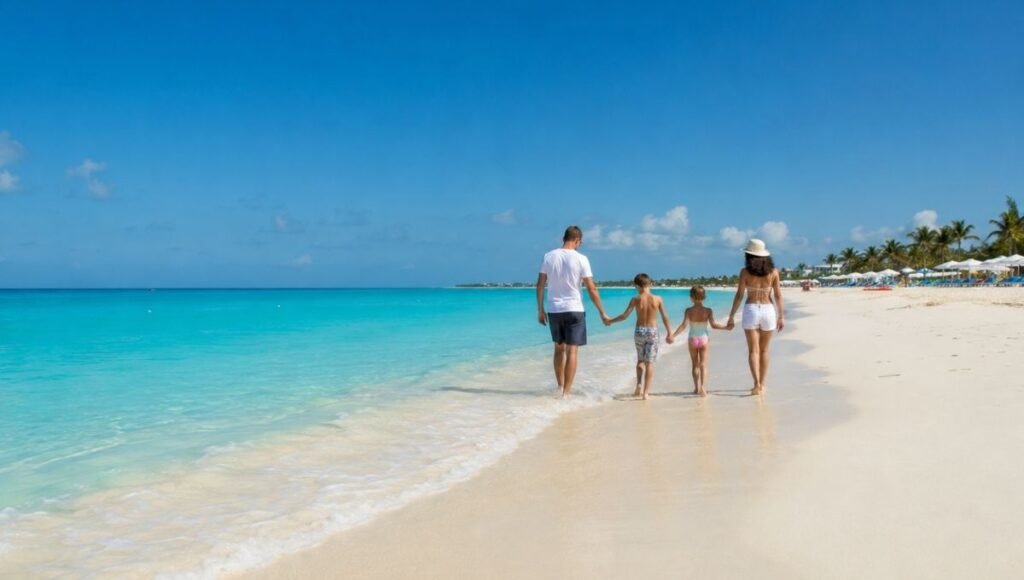
The question that every family considering Turks and Caicos eventually lands on isn’t “should we go?” — it’s “when?” And the answer is more complicated than most travel guides let on, because the honest answer depends entirely on which tradeoffs your family is willing to make.
Peak season (December through April) gives you the best weather but the highest prices and the most crowded beaches. Shoulder season (May and November) gives you excellent conditions and significant savings. Hurricane season (June through October) offers dramatic price drops with genuine weather risk. None of these answers is wrong — they’re just different calculations for different families.
What makes the timing decision genuinely complex is that TCI has some of the most extreme price swings in Caribbean travel. A beachfront villa that costs $6,000 a night in February can drop to $3,800 in November. A hotel room that runs $800+ in high season can be found for $350 in summer. That spread is significant enough that it changes what’s accessible for families with different budgets — and the experience is different enough between seasons that choosing the wrong one for your priorities can turn a dream trip into a frustrating one.
This guide gives you the honest month-by-month breakdown, the real hurricane season story (not the sanitized version), and a clear answer for families at different budget levels and travel windows.
Key Takeaways
- November is the single best month for most families seeking value — excellent weather, warmest water of the year (82–84°F), crowds minimal, accommodation prices 30–40% below peak winter rates
- February and March are peak season — best dry-season weather, humpback whale watching in Columbus Passage, but highest prices ($800+/night for mid-range hotels) and most crowded Grace Bay
- Hurricane season runs June 1 through November 30, with peak risk August through mid-October — direct hits are statistically infrequent but not rare; travel insurance with hurricane cancellation coverage is non-negotiable during this window
- Water temperature is comfortable year-round — ranging from 78°F in January to 84°F in summer, never too cold for swimming at any time of year
- May and April are the smart play for budget-conscious families — post-peak season rates with dry-season weather quality, 20–35% below February pricing, without hurricane risk
The Honest Three-Season Breakdown
Before going month by month, it helps to understand what you’re actually choosing between.
Peak Season (December – April): Best Weather, Highest Cost
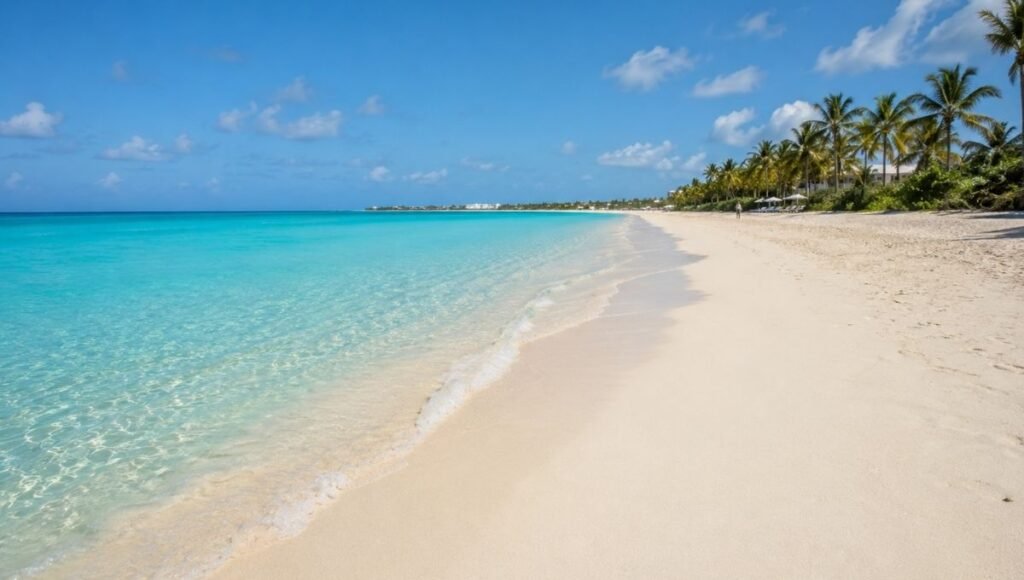
December through April is when the majority of TCI visitors arrive, and for good reason. The weather during this window is genuinely exceptional — temperatures averaging 80–84°F with low humidity, minimal rainfall, calm seas, and the clearest water visibility of the year. The dry northeast trade winds keep things comfortable even in midday heat. Grace Bay Beach looks exactly like the photos during this period.
The trade-off is cost and crowds. February and March are the busiest months of the year. Popular beaches have more visitors, restaurants need advance reservations, and villa and hotel pricing is at its annual maximum. Families traveling during school breaks (Christmas, President’s Week, spring break) will experience peak crowding alongside peak pricing.
Who should prioritize peak season: First-time visitors who want the full TCI experience without weather risk. Families whose school schedules limit travel windows to winter or spring breaks. Anyone honeymooning or celebrating a significant milestone who doesn’t want to spend any mental energy on weather uncertainty.
Shoulder Season (May and November): The Insider’s Choice
May and November are the two months that experienced TCI travelers recommend most emphatically — and most quietly, because the secret being kept is a valuable one.
May sits immediately after peak season. Hotel rates drop 25–35% from the March peak. The weather is warm and sunny, humidity is manageable, and hurricane season doesn’t begin until June 1 — so May carries essentially zero storm risk. Water temperature is around 80°F, actually more comfortable for swimming than January. The island is the least crowded it’s been since early December. Restaurants don’t require advance reservations. Beach chairs at Bight Reef are actually available without circling the parking lot for 20 minutes.
November is arguably even better, and this is genuinely the best-kept secret in TCI travel. After five months of summer sun, the water temperature reaches 82–84°F — the warmest of the entire year. Temperatures have cooled from summer highs to the low 80s°F. Humidity has dropped. The Christmas rush hasn’t begun. The crowds of winter season haven’t yet arrived. Prices are at shoulder rates — meaningfully below December even though December is technically the same “peak season.”
Who should prioritize shoulder season: Families where at least one parent has flexible scheduling. Return visitors to TCI who’ve done the peak season experience and want better value. Budget-conscious travelers who want luxury-adjacent experiences at reduced cost. Anyone who genuinely values the experience of a less crowded Grace Bay.
Low Season (June – October): Big Savings, Real Risk
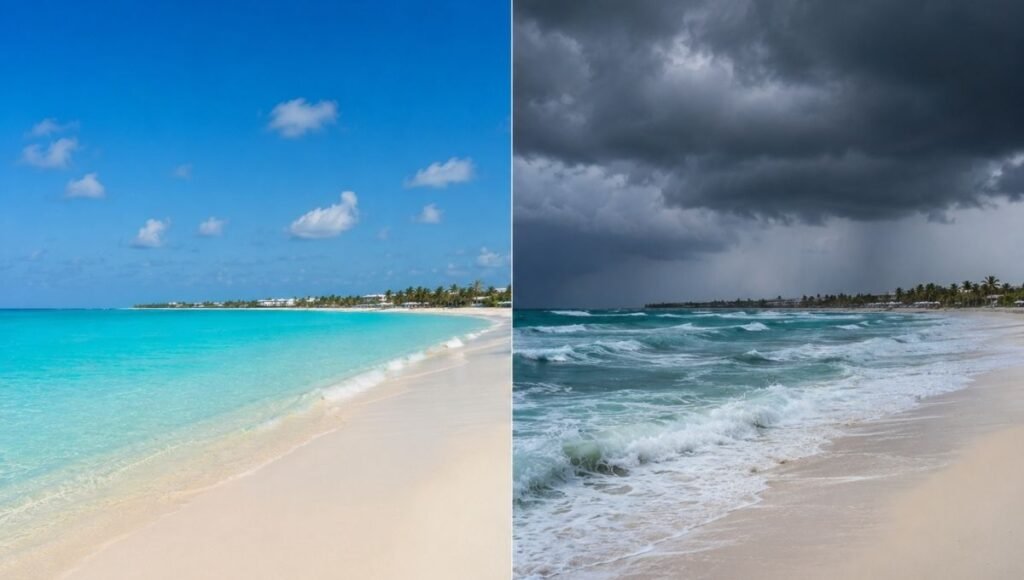
Low season exists for a reason, and being honest about it requires not softening the hurricane story.
The prices are dramatic. Villas that run $30,000 a week in February can be found for $15,000–$18,000 in July. “Stay 7, Pay 4” deals are common at major resorts. For families where budget is the primary constraint, this window makes TCI accessible that wouldn’t otherwise be.
The weather trade-off is real and multifaceted. July and August push temperatures into the high 80s°F with genuine humidity — a full-body tropical heat experience that some families love and others find exhausting. The ocean is exceptionally calm and warm (84°F+), which is genuinely lovely for swimming and water activities when the weather cooperates. But the Atlantic hurricane season peaks between mid-August and October, and the consequences of a near-miss are significant even without a direct hit: rough seas that cancel all water activities, overcast skies for days, cancelled flights, and the specific psychological weight of monitoring tropical weather apps on what was supposed to be a vacation.
Sea turtle nesting (June through October) is a genuine wildlife highlight of low season — guided nighttime turtle nesting tours are available through the Turks and Caicos Reef Fund and are a memorable family experience.
Who should consider low season: Families where budget is the primary constraint and flexibility on weather is acceptable. Couples or smaller family groups comfortable with calculated risk. Anyone who genuinely doesn’t mind heat and humidity. Families who can be flexible on exact travel dates and might be able to reschedule around weather.
Non-negotiable if traveling in low season: Comprehensive travel insurance with hurricane cancellation and trip interruption coverage. This isn’t optional.
Month-by-Month Guide — What Each Month Actually Delivers
December
The official start of peak season, though early December is meaningfully less crowded than January–March. Christmas week and New Year’s week are the busiest and most expensive moments of the entire year. If your family is traveling in December, either go very early (first two weeks, before school breaks) or be prepared for maximum prices and crowds during the holiday stretch.
Water temperature: 79°F. Weather: Excellent, dry, 80–82°F highs. Humpback whale season begins late December in the Columbus Passage between Grand Turk and Salt Cay.
January
Full peak season. Weather is excellent — the driest, clearest month of the year with minimal rainfall. Water is 78°F (the coolest of any month, though still very comfortable). Humpback whale activity increasing in the Columbus Passage.
Prices are high but not at their absolute maximum — February and March command slightly higher rates as word has spread about the weather quality. Good for: Families with January school breaks who want maximum weather reliability. Whale watching families who want to spread over multiple weeks.
February and March — Peak of Peak
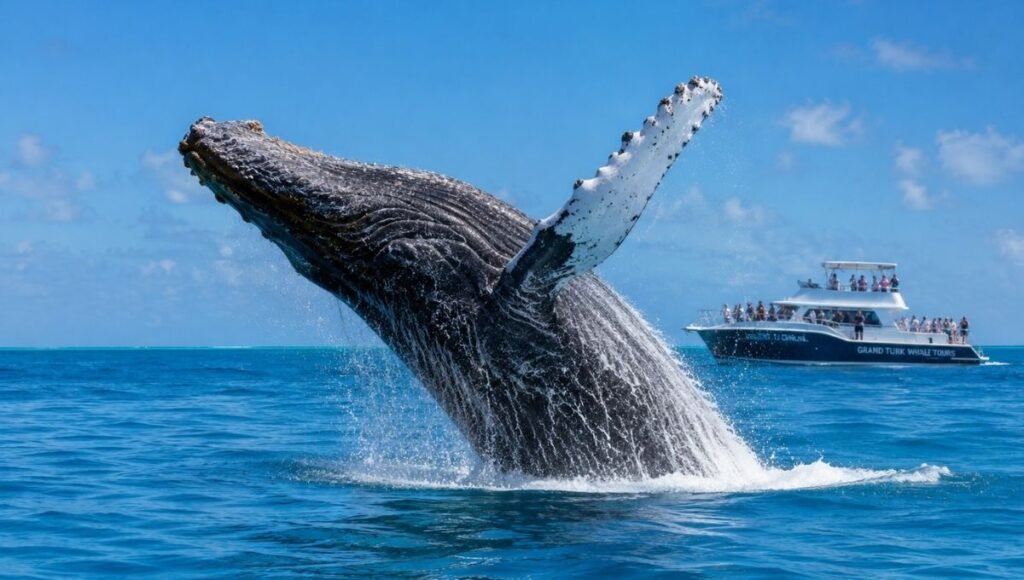
February and March are the months most commonly cited as the “best” time to visit TCI, and the weather evidence supports it. Dry, sunny, 82–84°F, calm seas, and the humpback whale migration is at its most active — the last two weeks of February specifically are when mothers and calves are most visible near the surface in Columbus Passage.
The trade-off: this is the height of high season. Hotels run $800+/night at mid-range properties. Popular restaurants need reservations made weeks in advance. Grace Bay has its most visitors. The TCI experience is genuine and beautiful, but you’re sharing it with more people and paying the most for the privilege.
Best for: First-time TCI visitors, honeymoons, milestone celebrations, families with President’s Week or spring break window, anyone specifically planning around whale watching.
April — Post-Spring Break Sweet Spot
April is significantly underrated. After Easter week (2026: April 5), the spring break crowd departs and the island returns to something calmer. Weather remains excellent — 85°F average high, minimal rainfall, seas calm, water at 80°F (actually the most comfortable swimming temperature of the dry season). Hotel rates drop 20–30% from the February–March peak.
Best for: Budget-conscious families who want dry-season weather quality at a reduced price. The week after Easter specifically is one of the most value-efficient windows in the entire TCI calendar.
May — Best Value Without Compromise
May is the month experienced TCI travelers recommend most for value-quality combination, and the case is strong. Excellent weather (warm, sunny, manageable humidity), hurricane season doesn’t start until June 1, water is 80°F, crowds are the lowest since early December, and hotel rates drop 25–35% from the March peak. Sea turtle nesting season begins.
Best for: Budget-conscious families who want genuine good weather. Families with flexible scheduling who can avoid school-constrained summer dates. Return visitors who’ve done the peak season and want more space and better value.
June
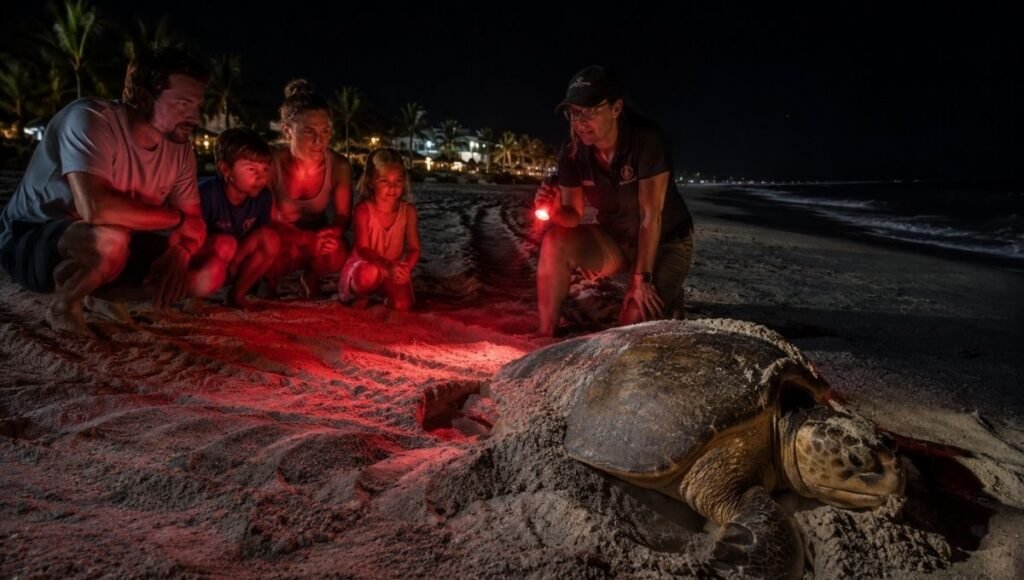
The start of hurricane season (June 1), though June historically produces the fewest TCI hurricane threats of any hurricane-season month. Weather is warm (88–89°F highs) with increasing humidity. Prices drop further. Sea turtle nesting is active. Water is warming toward summer peak temperatures.
Families with school-age children often find June a usable window — the school year has ended, the hurricane risk is statistically at its lowest within the risk season, and the prices are more accessible than winter. The key: buy comprehensive travel insurance before booking anything.
July and August — Maximum Savings, Maximum Heat
The budget season at its most extreme. Accommodation prices 40–50% below peak. Heat at summer maximum (high 80s°F with genuine humidity). The ocean is exceptionally calm and warm (84°F+) — good conditions for water activities when weather cooperates. Hurricane risk is present and increasing through August.
For families where budget is the primary consideration and heat doesn’t deter, July–August opens up a TCI trip at a price point that’s genuinely different. The experience is authentic — Grace Bay Beach is still extraordinary, Bight Reef snorkeling is still excellent — just hotter and with weather uncertainty in the background.
Non-negotiable: Travel insurance with hurricane cancellation coverage.
September and October — Peak Hurricane Risk
The highest rainfall probability and roughest Atlantic seas of the year. Peak hurricane season. The deepest price discounts. Most seasonal restaurants and attractions close for these months.
Honest assessment: September and October are not family travel months for most families. The hurricane risk is at its annual maximum, and the emotional and financial cost of a disrupted trip — particularly for families who’ve saved for a TCI vacation — outweighs the price savings in most cases. Couples with maximum flexibility and genuinely adventurous temperaments who monitor weather actively and can reschedule or cancel at 24 hours’ notice are the appropriate audience for September–October TCI.
November — The Best-Kept Secret
November may be the single month that consistently delivers the best combination of value, weather, and experience of any month in the TCI calendar.
By November, the hurricane season is winding down meaningfully. The water has been warming all summer and reaches its peak temperature (82–84°F) — the warmest swimming of the entire year. Temperatures have cooled from summer highs to the low 80s°F. Humidity has dropped from its summer peak. The Christmas rush hasn’t begun. Villa prices are at shoulder rates — 30–40% below December.
A concrete example of the math: a 3-bedroom beachfront villa in Grace Bay that runs $6,000/night in February often drops to $3,800–$4,200/night in November. For a week-long stay, that’s a $15,000+ saving with objectively comparable weather.
Best for: Families with Thanksgiving week flexibility. Return visitors. Anyone who values the combination of warmth, calm, and value over the specific prestige of peak-season dates.
Turks and Caicos with Kids — Timing Considerations Specific to Families

School Schedules vs Optimal Timing
The honest tension for most families: the optimal months for TCI (May, November, April) don’t align with school vacation schedules. The months that do align with school vacations (winter break, President’s Week, spring break, summer) are either peak-priced or hurricane-season risk.
The practical resolution:
For families with children in K–12 on traditional schedules, the viable windows are:
- Christmas/New Year’s: Beautiful conditions, maximum cost, maximum crowds
- President’s Week (February): Peak weather and whale season, high cost
- Spring break (March–April): Variable depending on exact week — early March is peak, week after Easter drops significantly
- Summer (June–August): Affordable, hot, hurricane risk present
For families where at least one parent has schedule flexibility, May and November are the months to target.
The Hurricane Conversation with Kids
If you’re traveling during hurricane season with children, the conversation to have before you go is about flexibility and resilience rather than fear. Most hurricane-season trips go completely fine. The issue is preparation:
- Purchase travel insurance before booking anything, with explicit hurricane cancellation coverage
- Download weather monitoring apps before departure
- Have a loose contingency plan (what do we do if we need to leave early?)
- Book refundable accommodations where possible
The families who have the worst hurricane-season experiences are the ones who didn’t prepare and treated the risk as theoretical rather than real.
Water Safety by Season
Water conditions in TCI vary seasonally in ways that matter for families with young children:
Calmest conditions: December–April (dry season, calmer trade winds, lowest swell)
Most active water: August–October (Atlantic storm season creates elevated swell even without direct hurricane impact)
Best snorkeling visibility: November–April (dry season clarity is exceptional, lowest rainfall runoff)
Best sea turtle encounters: June–October (nesting and hatching season, most turtle activity)
Practical Planning — What to Book and When
Accommodation Booking Lead Times
Peak season (December–March): Book 6–12 months in advance for villas. Popular resort weeks fill early. Christmas and New Year’s weeks can sell out a year ahead.
Shoulder season (May, November): 3–6 months ahead is usually sufficient, with more flexibility for last-minute decisions.
Low season (June–October): Last-minute deals are possible. That said, knowing your weather window and booking refundable rates with insurance gives you both options.
Flight Patterns

Providenciales (PLS) is the main international airport. Direct flights operate from major East Coast US cities (Miami, New York, Boston, Philadelphia, Charlotte, Atlanta). American Airlines, Delta, JetBlue, and United all serve PLS seasonally. Prices track accommodation seasonality — peak season flights cost significantly more than summer flights.
Frequently Asked Questions
What is the best month to visit Turks and Caicos? For most families, November delivers the best combination of excellent weather (low 80s°F, low humidity, warm sun), warmest water temperatures of the year (82–84°F), minimal crowds, and prices 30–40% below peak winter rates. For families constrained to school vacation windows, April (specifically the week after Easter) offers the best value within the dry season.
Is Turks and Caicos safe during hurricane season? Statistically, most hurricane-season trips to TCI go without significant disruption — direct hits are infrequent. However, the risk is real and meaningful, particularly during the peak risk period of mid-August through October. The consequences of a near-miss (rough seas, cancelled water activities, overcast days) affect the experience even without a direct impact. If traveling during hurricane season, comprehensive travel insurance with hurricane cancellation coverage is essential.
How expensive is Turks and Caicos in peak season? Mid-range hotels run $600–$900/night in February and March. Luxury resorts significantly exceed this. Villa rentals for families start around $2,000–$4,000/night for beachfront options in peak season. Prices drop 25–40% in shoulder season and 40–50% in low season.
Is Turks and Caicos good for families with young children? Yes — Grace Bay’s calm, protected water is exceptionally family-friendly. Bight Reef snorkeling is accessible for children as young as 5–6. The island has no significant traffic, short distances between main attractions, and a generally relaxed pace that works well for families with young children. The main logistics consideration is that TCI has no public transportation — car rental or taxi is necessary for getting around Providenciales.
What is the water temperature in Turks and Caicos? Water temperature ranges from 78°F in January (coolest) to 84°F in summer (warmest), staying within the comfortable swimming range year-round. November through December has water around 82–84°F — the warmest of any non-summer month.
When do humpback whales visit Turks and Caicos? Humpback whales migrate through the Columbus Passage between Grand Turk and Salt Cay from late January through early April. Peak activity is the last two weeks of February, when mothers and calves are most active near the surface. Whale watching tours operate from Grand Turk.
The Bottom Line
The best time to visit Turks and Caicos depends on which trade-off your family is making.
If budget is the constraint: May and November are the months where you get genuine good weather at meaningfully lower prices. April (post-Easter) is the best single week within the dry season at reduced cost.
If school schedules are the constraint: Spring break (the week after Easter) and Christmas/New Year’s are the viable peak-season windows. Accept the cost and crowd reality that comes with them.
If maximum experience is the priority regardless of cost: February and March deliver the best weather, the whale watching, and the classic TCI experience.
If summer is the only option: June is workable with travel insurance. July–August has dramatic price reductions with heat and hurricane risk as the trade-offs. September–October is genuinely not recommended for families.
Book with insurance. Go in November if you can. The water will be the warmest it gets all year.
Planning your Turks and Caicos trip? Read next:
- Turks and Caicos Snorkeling: The Honest Family Guide
- Cape Cod Beaches: The Honest Family Guide
- Things to Do in Hilton Head: The Honest Family Guide
- Beach Vacation Packing List: What to Actually Bring
- What to Bring to the Beach: Complete Beach Gear Guide
References
- Visit Turks and Caicos Islands — Official Weather and Travel Guide: visittci.com
- NOAA National Hurricane Center — Atlantic Hurricane Season Statistics: nhc.noaa.gov
- Turks and Caicos Reef Fund — Sea Turtle Conservation Program
- CDC — Travel Health Guidelines for Caribbean Destinations: cdc.gov/travel
- US State Department — Turks and Caicos Travel Advisory: travel.state.gov