You’ve done the hard part: survived the TSA lines, scored the beachfront rental in Siesta Key or Destin, and you can already taste that first sunset margarita. But here is the reality check from someone who has learned the hard way: if you show up to a Florida beach with just a standard cotton towel and some cheap spray-on sunscreen, you’re going to be miserable, sunburnt, and back in your hotel room by lunch.
Florida’s coast is gorgeous, but it’s a high-stakes environment. We’re talking 98°F humidity that makes you feel like you’re breathing through a warm sponge and “no-see-ums” (tiny gnats) that will eat you alive the second the breeze dies down. Your beach bag isn’t just for your Kindle—it’s your survival kit.
The “Florida Factor”: It’s Not Like the West Coast
Forget what you know about California beaches. Florida is a humid, subtropical jungle that just happens to have sand. Items that work in Malibu will fail you here. Thick towels never dry and end up smelling like a swamp by Day 2. To actually enjoy a Florida beach, you need a tactical approach to your gear.
The 10 Essentials for Your Bag
1. Zinc-Based Mineral Sunscreen
The Florida sun is on another level. Standard chemical sprays often just sweat right off before you even get your chair set up.
- The Truth: Use a mineral-based zinc or titanium cream. It stays on through the sweat, and since most of the Keys are pushing “reef-safe” rules now, you won’t get the side-eye from locals for killing the coral.
2. The “Dry-Pack” System
Real Scenario: You’re out in the water and one of those 3 PM “sun showers” hits out of nowhere. If your electronic car keys and iPhone are sitting in an open canvas bag, you just turned a fun day into a $500 repair bill.
- Human Insight: Spend the $15 on a proper waterproof pouch. It’s the cheapest insurance you’ll ever buy.
3. Sand-Management (Microfiber + Baby Powder)
Standard Terry cloth towels are basically sand magnets. Once they get wet, they weigh ten pounds and bring half the beach back into your rental.
- The Hack: Get a microfiber towel; they shake clean in two seconds. Also, keep a travel-size bottle of talc-free baby powder in your bag. Rub it on your sandy legs before you get in the car—the sand falls off like magic.
4. A Legit Insulated Water Bottle
Plastic water bottles turn into lukewarm tea in about 15 minutes here.
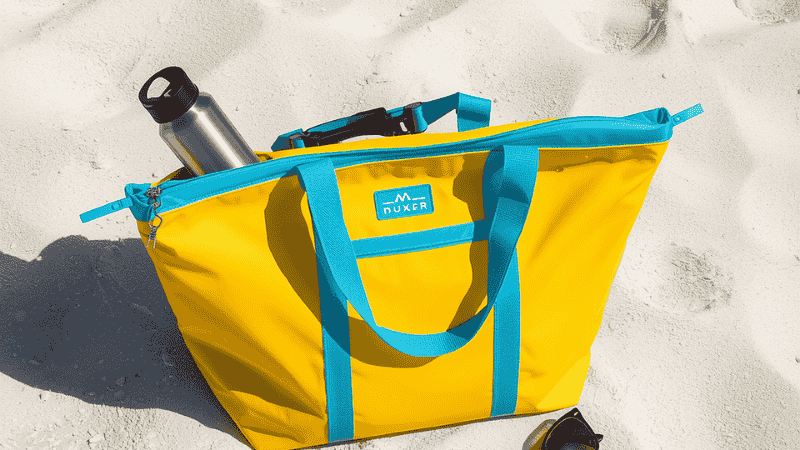
- The Essential: A double-walled stainless steel bottle (Yeti, Hydro Flask, whatever). Pro Tip: Fill it to the brim with ice before you leave the house. You’ll need that ice to still be there when the 2 PM heat hits.
5. No-See-Um Protection
If you’re on the Gulf Coast at sunset, you will meet the “no-see-ums.” These tiny biting gnats don’t care about your standard DEET spray.
- Real Travel Example: I once watched a family abandon a gorgeous $200 sunset picnic on Sanibel Island after ten minutes because they were getting eaten alive. Get a Picaridin-based spray or Avon Skin-So-Soft. They actually work.
[Internal Link: The Best Hotels Near Siesta Key Beach → /siesta-key-beach-hotels-guide]
6. Footwear That Handles 120°F Sand
Darker sand on the Atlantic side gets hot enough to literally blister your feet. Flip-flops are fine for the boardwalk, but for walking any distance, you want something salt-water resistant that actually stays on your feet.
7. A Portable Neck Fan
In 2026, these are no longer just for “tourists”—they are heatstroke prevention. When the wind drops at midday, a $20 rechargeable neck fan is the only thing that will keep you from feeling like you’re melting.
8. Polarized Lenses (For Safety, Not Just Style)
You need polarized sunglasses to cut through the glare on the emerald water. Why? Because it’s the only way to spot “dark patches” or “breaks” in the waves that signal a dangerous rip current.
9. The “Quick-Exit” Mesh Bag
Your bag should be mesh or rubber (like a Bogg Bag). Why? Because when the lightning alarm goes off (and it will), you need to be able to shove everything in and sprint for the car without carrying five pounds of trapped sand and soggy fabric with you.
10. The Marine First Aid Kit
Stingrays and jellyfish are part of the deal here. Pack a small bottle of white vinegar (it kills the sting of a jellyfish) and a couple of instant heat packs. If you get “zapped,” you’ll be the hero of the beach.
What Most Travel Guides Get Wrong
- The “One-Sunscreen” Myth: Guides tell you to bring “sunscreen.” You actually need two: a heavy-duty zinc for your face/shoulders and a lighter reef-safe option for your body. The humidity makes standard lotions feel like slime.
- The Rain Reality: Most blogs act like it’s sunny 24/7. In Florida, it will rain at 3 PM. Guides that don’t tell you to bring a “Quick-Exit” bag are setting you up for soggy electronics.
- The Parking Underestimation: They say “arrive early.” On a Florida Beach in 2026, “early” means 8:30 AM, not 10:00 AM.

Conversion Layer: Making the Trip Happen
Where to Stay
- The Walk-In Experience: Stay in North Palm Beach or Naples. Being able to walk to the sand means you don’t have to deal with the $30-a-day parking fees or the soul-crushing traffic.
- The Drive-In Convenience: In New Smyrna Beach, you can actually drive your car onto the sand in certain spots. This turns your trunk into your beach bag, which is a massive win for families.
Estimated Budget for Gear
- The “Local Shop” Route: $80 – $120 (Buy chairs/umbrella at a local CVS/Walgreens instead of renting).
- The “Resort Rental” Route: $60 – $80 per day for two chairs and one umbrella.
Booking Tips
- Avoid the “Resort Fee” Trap: Many hotels charge a $40/day fee for “beach access” and towels. If you bring your own microfiber towel and chair, look for boutique stays that don’t tack on these hidden costs.
- Timing: Book for May or October to get the best weather without the $500/night Spring Break premiums.
The “Daily Cycle” (How to Actually Time Your Day)
- 08:30 AM – The Arrival: If you aren’t at a major spot like Clearwater by 9:00 AM, forget about parking. You’ll spend an hour circling a lot like a vulture.
- 11:30 AM – The UV Pivot: The sun is brutal now. This is when you head to a beach bar for fish tacos or go back to the condo for a nap.
- 03:00 PM – The Storm Watch: Florida’s afternoon storms are violent but fast. Keep your “Quick-Exit” bag ready.
- 05:30 PM – The Golden Hour: Head back out after the rain. The air is 10 degrees cooler, the crowds are gone, and the sunset is the main event.
FAQ (The No-Fluff Version)
1. Can I bring a cooler? Yes, but zero glass. Rangers will look in your bag or cooler. If they see glass, it’s an easy $100+ fine. Stick to cans.
2. How do I know if there’s Red Tide? Check the Mote Marine Laboratory “Beach Conditions” report online before you go. If the report says Red Tide is high, you’ll be coughing the second you open your car door.
3. What’s the “Stingray Shuffle”? In the summer, shuffle your feet through the sand as you walk into the water. It vibrates the ground and scares them off. If you step on one, you’re going to the ER.
4. Is it worth buying a beach tent? Only if it’s a “pop-up” style. Large canopies are a nightmare to set up in the wind and are actually banned on some narrower Florida beaches to keep lifeguard paths clear.
Final Decision: Bag vs. Wagon?
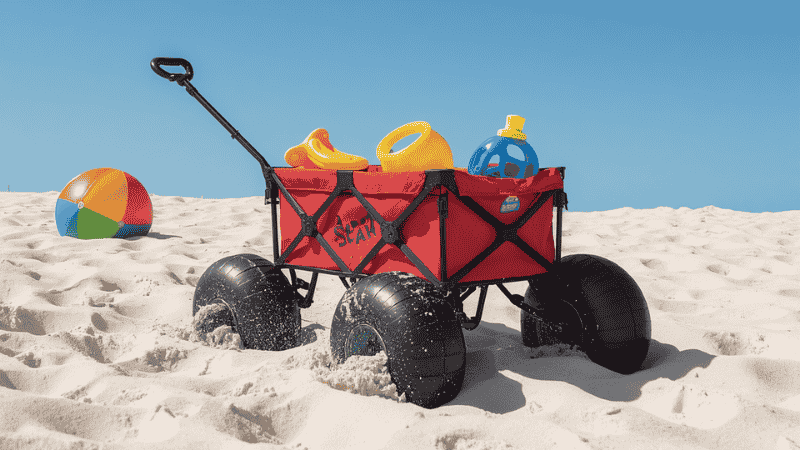
If you’re solo or a couple, a solid mesh beach bag is all you need. But if you’re a family of four hauling a cooler, toys, and chairs, don’t be a hero. Get a foldable beach wagon with “balloon tires.” Standard thin wheels will just sink into that soft quartz sand and you’ll end up dragging a 60-pound anchor. Make sure the wheels are wide.