
You’ve packed the sunscreen, loaded the car, and promised the kids that yes, this vacation is going to be different from last year. More fun. Less “are we there yet.” You’ve picked Myrtle Beach because every family you know who’s been there has come back raving — and you’re slightly terrified of setting expectations too high.
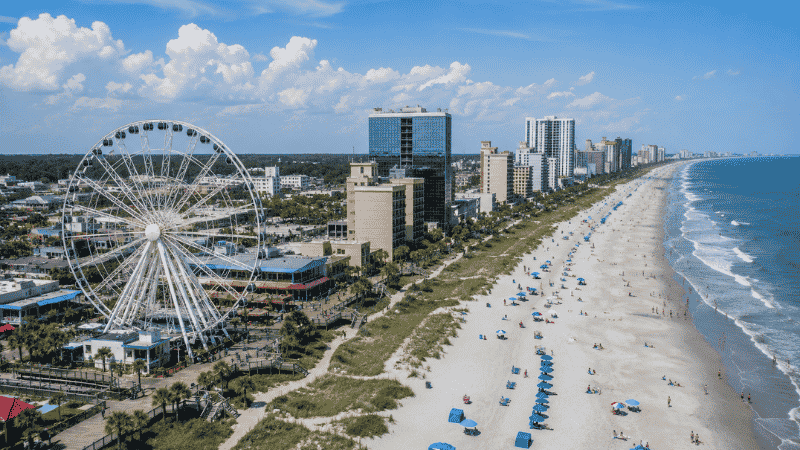
Here’s the thing about Myrtle Beach with kids: it actually delivers. Not in a “it’s fine” way. In a genuine, kids-fall-asleep-in-the-car-on-the-way-home-without-complaining way. The 60 miles of wide, sandy beach are legitimately beautiful. The Boardwalk is the kind of place where children find their own fun without you having to orchestrate it. And the sheer density of family activities — water parks, aquariums, dolphin cruises, mini golf, amusement parks — means you can fill a week without repeating yourself.
But Myrtle Beach also has a reputation for being chaotic in peak season, overpriced if you don’t know where to look, and genuinely confusing to navigate with young kids. This guide cuts through all of that: what’s actually worth your time, what to skip, when to go, and how to do it without blowing your budget or your sanity.
Key Takeaways
- The Myrtle Beach Boardwalk stretches 1.2 miles of oceanfront with shops, restaurants, the SkyWheel, and a beach access that’s hard to beat for a family base camp
- September is the sweet spot — warm ocean water (still 78°F+), school crowds gone, accommodation prices drop 30–40%, and the beach feels like it belongs to you again
- Broadway at the Beach and Ripley’s Aquarium are the two indoor anchors for overcast or hot-midday days — budget 3–4 hours for each
- Free parking exists at The Market Common, Barefoot Landing, and street spots along the Golden Mile north of 31st Avenue North — you don’t have to pay $30/day if you know where to look
- Myrtle Beach State Park is the most underrated thing in the entire area — a genuine maritime forest and pristine beach 3 miles from the main strip, with far fewer crowds
The Myrtle Beach Boardwalk — Start Here Every Time
The Myrtle Beach Boardwalk is the heart of everything, and for good reason. It’s 1.2 miles of oceanfront promenade running from 2nd Avenue Pier to Pier 14, lined with shops, seafood restaurants, ice cream stands, and the kind of lived-in beach-town energy that makes a vacation feel like a vacation rather than a logistics exercise.
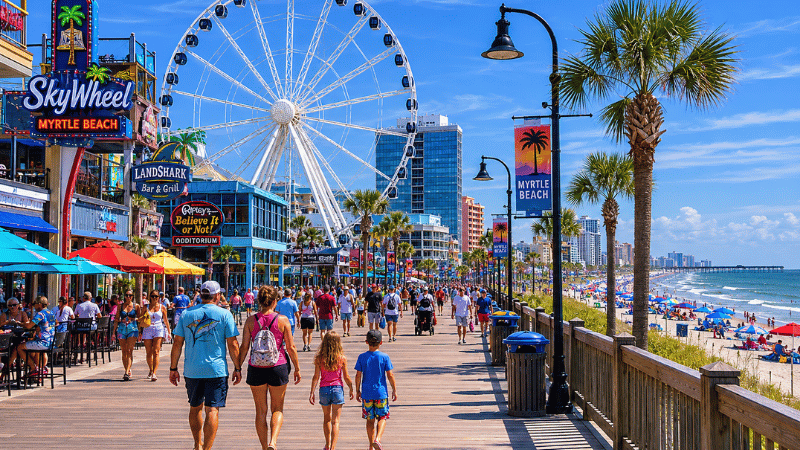
Our honest take: come to the Boardwalk in the morning, before it gets crowded. The energy is completely different — quieter, cooler, the ocean right there. Grab breakfast, let the kids run ahead toward the waves. By 11 AM the crowds build and the heat comes up. By 2 PM it’s packed. Plan accordingly.
SkyWheel — The Aerial View
The SkyWheel is the Boardwalk’s signature landmark — a 200-foot Ferris wheel with climate-controlled gondolas that gives you the full sweep of the Grand Strand coastline. It costs money ($15–$18 per person depending on season) but for a first-time Myrtle Beach family visit, the aerial perspective is worth it. Kids love it. Adults realize how wide this beach actually is from up there.
Timing tip: Ride it at dusk, not midday. The view at golden hour with the sun dropping toward the coast is significantly more memorable than the midday version.
The Beach Itself
Let’s be honest about what Myrtle Beach’s sand is: it’s wide, clean, and perfectly functional for a beach vacation, but it’s not white quartz Gulf Coast sand. It’s golden-brown Atlantic sand. The waves are bigger than Gulf beaches — better for bodyboarding, more active for swimmers, and requiring more attention with young children than Florida’s Gulf beaches demand.
Lifeguards patrol designated sections in summer. Swim in those sections with kids. The waves are real and rip currents exist — check the flag system before entering the water.
Things to Do in Myrtle Beach SC for Families — The Full Breakdown
Broadway at the Beach — The Rainy Day (and Hot Afternoon) Headquarters
Broadway at the Beach is a sprawling entertainment complex built around Lake Broadway — essentially a self-contained world of attractions, restaurants, and shops that can absorb a full day without anyone running out of things to do. It’s where Myrtle Beach families end up when the beach itself gets too hot or the skies turn grey.
What’s inside:
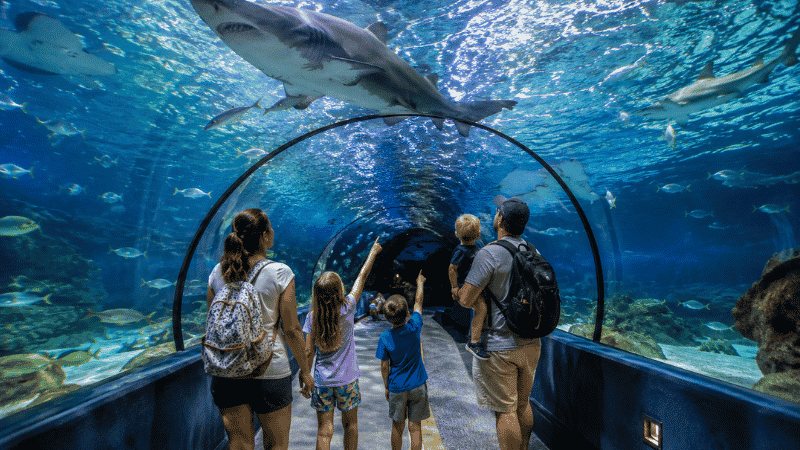
Ripley’s Aquarium is the crown jewel — home to a diverse array of marine life including a moving walkway through a shark tunnel, stingray touch pools, and the kind of interactive exhibits that actually hold a 6-year-old’s attention for more than eight minutes. Budget 2–3 hours and go on a weekday morning to avoid the longest lines.
WonderWorks is harder to describe but children universally love it — an interactive science museum in an upside-down building where kids can experience hurricane-force winds in a simulator, design and test roller coasters, feel an earthquake, and tackle an indoor ropes course. Educational without being boring about it.
The shopping and dining: Broadway at the Beach has enough restaurants and shops around the lake to make it a full evening. The lakeside setting is genuinely pleasant, and the proximity of everything means you’re not hauling kids across a massive parking lot between each stop.
Editor’s take: Broadway at the Beach is legitimately good value for what it delivers. The temptation is to skip it because it feels touristy — but it’s touristy for the right reasons. Skip the chain restaurants in favor of the local spots, but don’t skip the complex itself.
Myrtle Beach State Park — The Part Everyone Misses
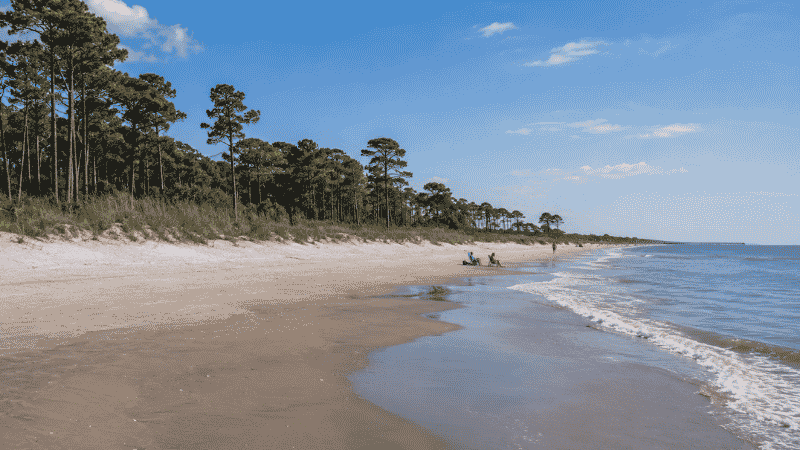
Three miles south of the main tourist strip, Myrtle Beach State Park sits on 312 acres of coastal forest that feels like a completely different world from the SkyWheel and mini golf of the Boardwalk corridor.
The park has its own beach — quieter, cleaner, and with a maritime forest backdrop that makes it feel genuinely wild. There are hiking trails through the coastal scrub, a fishing pier, picnic areas under live oak trees, and a beachcombing experience that actually produces shells (unlike the main beach, which gets picked over by the volume of visitors).
Entry costs $8 per vehicle. It’s worth every cent and is genuinely the best answer to “where do we go when the main beach is too crowded?”
For families: The trails are easy enough for kids who can walk a mile. The beach section is calmer than the main strip beaches. The pier is a good introduction to fishing for kids who’ve never tried it.
Family Kingdom Amusement Park — Old-School Beach Fun
Family Kingdom is the kind of amusement park that doesn’t exist in most cities anymore — a classic beachfront park with 35+ rides, an ocean view from the roller coaster, and a wooden waterslide that has been delighting kids for decades. No theme-park pretension, no $200 admission. Just good, honest amusement park fun with the Atlantic directly behind it.
It’s a particularly good choice for families with kids between 6 and 14 — old enough for the bigger rides, young enough to still be genuinely thrilled by them. The adjacent water park section (open separately or in combo) runs lazy rivers, waterslides, and a wave pool.
Honest note: Family Kingdom is not cutting-edge. The rides are classic, not technologically spectacular. That’s exactly the point — it’s the beach amusement park that hasn’t tried to become something else, and that’s why families who discover it come back.
Dolphin Cruises — Worth Every Minute
Myrtle Beach’s coastal waters have a healthy dolphin population, and the guided cruises that run from the main marinas guarantee sightings in a way that’s backed up by consistent reviews. A family dolphin cruise runs 90 minutes to 2 hours, costs around $25–$35 per adult (less for kids), and produces the kind of wildlife encounter that children talk about for the entire drive home.
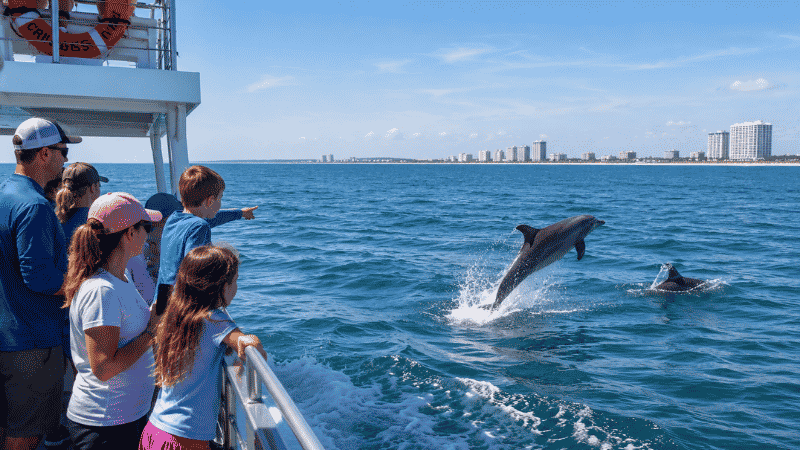
Book the morning departure if possible — dolphin activity is generally higher before midday, and the Atlantic morning light is beautiful for photos.
Brookgreen Gardens — The Unexpected Highlight
This one requires a 20-minute drive south toward Pawleys Island, but Brookgreen Gardens is worth the trip — 9,100 acres that combine the world’s largest collection of American figurative sculpture with genuine wildlife habitats and botanical gardens.
Kids who don’t care about sculpture still enjoy the wildlife sanctuary (alligators, river otters, birds of prey) and the extensive outdoor space. The sculpture is displayed in a way that’s accessible rather than austere — it’s set in gardens rather than white-walled galleries.
For families: Budget a half-day. Bring a picnic. It’s one of those places that works better if you’re not rushing.
Mini Golf — The Myrtle Beach Staple
Myrtle Beach has more mini golf courses per square mile than anywhere in the country — it’s almost a defining characteristic of the city. Some are genuinely creative (elaborate themes, water features, challenging layouts). Some are basic.
The honest recommendation: Hawaiian Rumble and Jurassic Golf are consistently the best reviewed for families. Both have multiple 18-hole courses, good theming, and layouts that are challenging enough for adults while accessible for younger kids.
Mini golf in Myrtle Beach costs $10–$15 per person per round. It’s an evening activity, not an afternoon one — the heat and sun make daytime outdoor mini golf uncomfortable in summer.
Where to Eat in Myrtle Beach with Kids
Dead Dog Saloon: Waterway dining with a casual, kids-welcome atmosphere. The seafood is fresh and the setting on the Intracoastal Waterway means boats passing while you eat, which buys you an extra 15 minutes of kid attention.
LuLu’s at Barefoot Landing: Founded by Lucy Buffett (yes, Jimmy’s sister), LuLu’s pairs beach-side dining with Gulf-inspired seafood. The outdoor ropes course and sand playground keep kids occupied while food arrives — genuinely useful if you have young children. The menu accommodates most dietary restrictions.
The Seafood Market: If you’re staying somewhere with a kitchen (most Myrtle Beach condo rentals have full kitchens), buy fresh local seafood and cook it yourself. Shrimp, fish, and blue crab are all available fresh. This is significantly cheaper than restaurant meals and often better — just add butter and don’t overthink it.
Myrtle Beach Beaches — North vs South, and What the Difference Actually Means
The Grand Strand stretches 60 miles from Little River in the north to Pawleys Island in the south. Most visitors think of “Myrtle Beach” as a single beach, but the different sections have genuinely different characters:
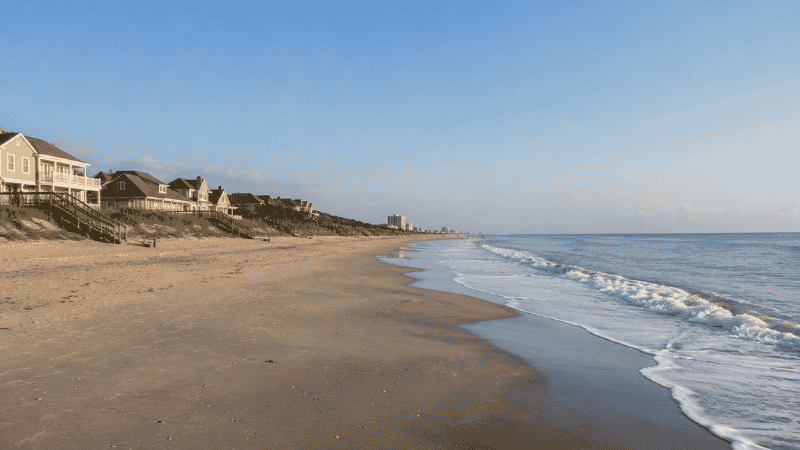
The Boardwalk Area (downtown Myrtle Beach): Most developed, most activity, most crowds. Great if you want everything walkable. Noisier. Higher prices.
The Golden Mile (north of 31st Avenue N): Same beach, noticeably fewer people. Free or low-cost street parking. A residential feel behind the beach. Good for families who want the beach without the carnival atmosphere of the main strip.
North Myrtle Beach: Quieter, more family-residential. Barefoot Landing is here — a shopping and dining complex on the Intracoastal Waterway with less chaos than Broadway at the Beach.
Myrtle Beach State Park area: The park beach is the quietest and most natural option closest to the main strip.
Our recommendation for families: Stay near the Boardwalk if activities matter most. Stay in the Golden Mile or North Myrtle Beach if beach quality and crowd management matter more.
When to Visit Myrtle Beach — The Honest Timing Guide
Peak summer (mid-June through August): Maximum crowds, maximum prices, maximum activity. Every attraction is fully operational. The beach is packed by 10 AM on weekends. Accommodation runs $250–$500+/night for decent oceanfront options. If this is the only time your family can go, arrive early every day and book everything in advance.
Shoulder season (May–June, September–October): September is the genuine sweet spot. Ocean water is still warm from summer (78°F+), school has resumed so crowds thin significantly, and accommodation prices drop 30–40%. September weekdays at Myrtle Beach feel like a different place than August weekends. Almost everything is still open and operating.
May and early June are strong alternatives — water is warming up, spring break is over, summer crowds haven’t fully arrived yet.
Off-season (November–March): Many attractions close or reduce hours. Ocean swimming is too cold. But the beach walk is beautiful and accommodation prices hit their lowest. Correct choice for couples; less practical for families with young children.
Myrtle Beach Parking — Where It’s Free and Where It Isn’t
Parking is genuinely one of the most complained-about parts of a Myrtle Beach visit, and it’s avoidable if you know what to do.
Free parking:
- The Market Common (south Myrtle Beach) — free parking with shopping and dining adjacent
- Barefoot Landing (North Myrtle Beach) — free, extensive lot
- Golden Mile street parking (north of 31st Avenue N) — free street spots, more available than the main strip
Paid parking:
- Oceanfront parking along Ocean Boulevard runs $2–$4/hour
- The main Boardwalk garages charge $15–$25 for a full day
- Download the ParkMobile app before you arrive — it’s required for metered spots and lets you add time remotely
Best strategy: If you’re staying in an oceanfront hotel or resort, parking is included in the resort fee. If you’re staying off-beach, park at the Golden Mile or use the free lots and uber/walk to the Boardwalk.
Beach Safety at Myrtle Beach — What Parents Need to Know
Myrtle Beach’s Atlantic surf is genuinely different from Florida’s Gulf Coast — bigger waves, stronger currents, and rip currents that can develop quickly. The United States Lifesaving Association tracks beach rescue data, and Atlantic-facing beaches consistently see more rescue activity than Gulf beaches due to the open ocean exposure and frequent offshore swells.
Flag system: Always check the beach flags before entering the water with kids. Green = safe. Yellow = use caution. Red = dangerous conditions. Double red = water closed. These flags change throughout the day.
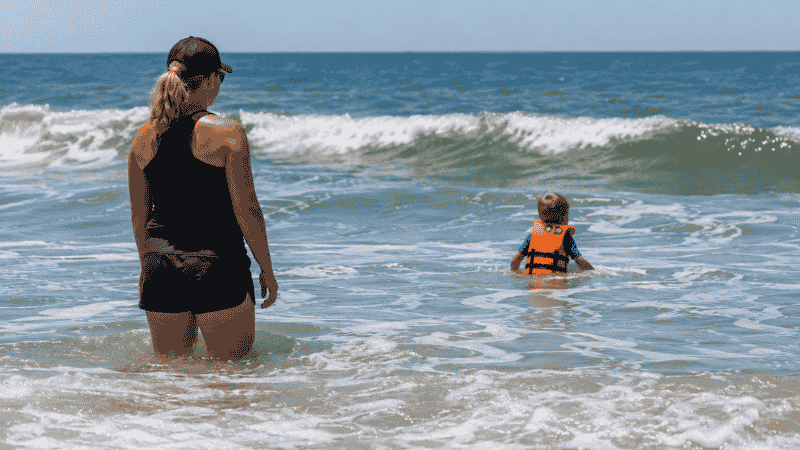
With young children: Swim only in lifeguarded sections, during the lifeguard’s hours. Stay in water where you can stand. If a child isn’t a confident swimmer, a US Coast Guard-approved flotation device is non-optional in Atlantic surf — not a floatie, a proper PFD.
Rip currents: Teach older children the correct response before you arrive: swim parallel to shore if caught in a current, never fight it directly toward shore. The rip is narrow — swimming sideways out of it is the escape.
Jellyfish: Portuguese Man o’ War and sea nettles appear seasonally. If a child is stung, rinse with seawater (not fresh water), remove any visible tentacles with tweezers or a card edge, and apply hot water or a heat pack. Seek medical attention for widespread stinging, difficulty breathing, or any allergic reaction.
If You Only Have One Day in Myrtle Beach
This is the tight version — everything essential, nothing wasted:
7:30 AM: Beach at the Golden Mile. No crowds, beautiful morning light, kids can run.
10:30 AM: Boardwalk. SkyWheel, ice cream, walk the promenade before the midday heat.
12:30 PM: Lunch at a Boardwalk restaurant. Seafood — you’re in South Carolina.
2 PM: Ripley’s Aquarium at Broadway at the Beach. Air-conditioned, 2–3 hours of engaged kids.
5 PM: Return to beach for late afternoon swim (less crowded, better light).
7 PM: Dinner, then mini golf in the evening cool.
That’s a full, exhausting, excellent day.
Frequently Asked Questions
Is Myrtle Beach good for families with young kids? Yes — genuinely one of the best family beach destinations on the East Coast. The combination of wide beaches, extensive indoor attractions (aquarium, WonderWorks, Broadway at the Beach), and the Boardwalk’s family atmosphere makes it unusually complete for families across multiple ages. The main challenge is crowds in peak summer and costs if you’re not careful about where you eat and park.
What is the best time to visit Myrtle Beach with kids? September is the best month — ocean water is still warm (78°F+), school-year crowds mean the beach and attractions are noticeably quieter, and accommodation prices drop significantly. May and early June are strong alternatives. Avoid peak summer weekends if you’re sensitive to crowds and prices.
How many days do you need in Myrtle Beach? Four to five days is the ideal family length. Day one: beach and Boardwalk. Day two: Broadway at the Beach and Ripley’s Aquarium. Day three: Myrtle Beach State Park and Family Kingdom. Day four: North Myrtle Beach, Barefoot Landing, dolphin cruise. Day five: flex day, beach, and whatever got missed.
Is the Myrtle Beach Boardwalk free? Walking the Boardwalk is free. Individual attractions on or near it (SkyWheel, arcade games, restaurants) cost money. The beach access from the Boardwalk is free. Parking near the Boardwalk is paid — arrive early or use free lots further out.
Is Myrtle Beach safe for swimming with kids? Yes, in designated lifeguarded areas during operating hours. Myrtle Beach Atlantic surf is bigger and stronger than Florida Gulf beaches — supervise young children closely, swim in lifeguarded sections only, and check the beach flag warning system before entering the water.
What is the best free thing to do in Myrtle Beach? Walking the Boardwalk and swimming at the Golden Mile beach are the best free experiences. Myrtle Beach State Park costs $8 per vehicle but is worth it. Barefoot Landing’s outdoor areas are free to walk. Street performers on the Boardwalk in summer are genuinely good.
The Bottom Line
Myrtle Beach earns its reputation as a family beach destination — not through restraint or tranquility, but through sheer, honest abundance. There is so much to do here that the challenge isn’t finding activities, it’s choosing between them.
The families who have the best experience are the ones who front-load the activity days (Ripley’s, WonderWorks, Family Kingdom) and leave the beach days unscheduled. Who eat fresh local seafood instead of the chain restaurants. Who discover the Golden Mile beach north of the Boardwalk crowds. Who come back in September when the ocean is still warm and the city exhales.
The sticky fingers, sandy toes, and kids asleep in the car on the way home aren’t guaranteed. But they’re a lot more likely here than most places.
Planning your East Coast beach trip? Read next:
- Outer Banks Beaches: The Complete OBX Guide
- Things to Do at the Beach: 30 Ideas Beyond the Sand
- Beach Vacation Packing List: What to Actually Bring
- Jellyfish Sting Treatment & Beach Safety Guide
References
- Visit Myrtle Beach Official Tourism Bureau — Family Activities Guide: visitmyrtlebeach.com
- Myrtle Beach State Park — South Carolina State Parks: southcarolinaparks.com
- United States Lifesaving Association — Beach Safety and Rip Current Statistics: usla.org
- CDC — Water Safety and Drowning Prevention: cdc.gov/drowning
- Brookgreen Gardens — Official Site: brookgreen.org