
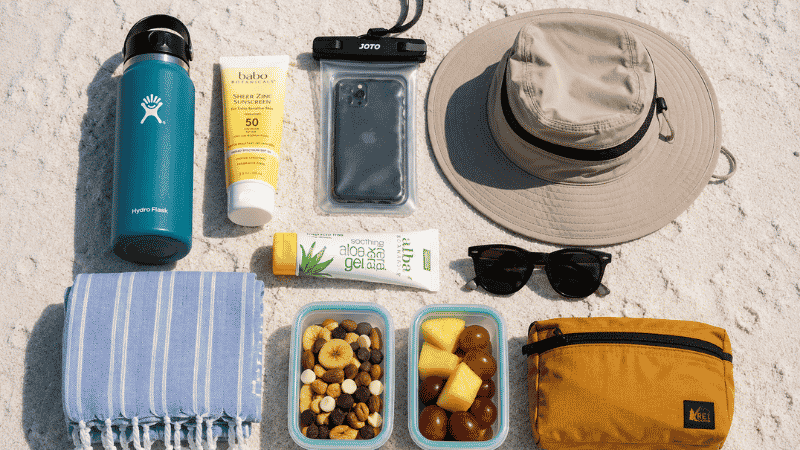
You’re standing in the garage the morning of your beach trip, trying to remember if you packed sunscreen while also locating two matching flip-flops and figuring out if the cooler has enough ice. The kids are already in the car. Your partner is asking about parking. And somewhere in the back of your mind, you have the nagging feeling you’re about to spend $40 at a resort gift shop on something you definitely own and definitely did not pack.
This is how most beach trips start. And it’s entirely avoidable.
The gap between a good beach day and a frustrating one almost always comes down to the same category of problems: wrong gear, missing gear, or too much of the wrong kind and not enough of what actually matters. A beach umbrella that flies away at the first gust. A cooler that sweats through everything by noon. A bag so overpacked you can’t find anything. A phone sitting in two inches of seawater because you didn’t bring a $12 waterproof pouch.
This guide covers everything you actually need to bring to a Florida Gulf Coast beach — organized by priority, with specific guidance on what to buy, what to skip, and how to set up a beach day that runs smoothly from arrival to sunset.
Key Takeaways
- One waterproof phone pouch ($10–$15) prevents the single most expensive mistake people make at Florida beaches — phone damage from wave splash or accidental submersion
- Sunscreen applied 30 minutes before you leave the hotel is more effective than sunscreen applied in the parking lot — UV damage begins within 15 minutes of exposure on unprotected skin
- A spiral screw-in beach umbrella anchor holds in loose Gulf Coast quartz sand significantly better than a straight push-in pole — the most common cause of beach umbrella failures
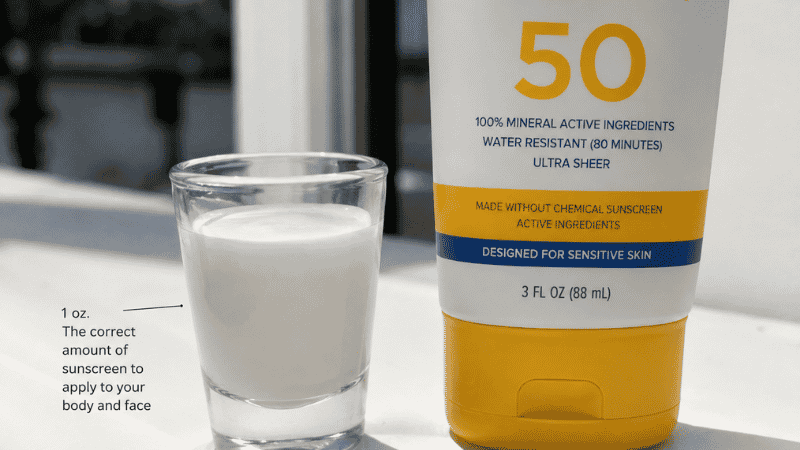
- One shot glass of sunscreen per adult per application — most people apply a quarter of what’s needed, which is why they burn even when they “put sunscreen on”
- Baby powder removes wet sand from skin more effectively than toweling — one travel-size bottle solves the getting-in-the-car problem for the entire trip
The Non-Negotiables — What to Bring to the Beach Every Single Time
These are the items that, if forgotten, require either a trip back to the hotel or an expensive resort shop purchase. Nothing on this list is optional for a full Florida beach day.
Sunscreen — More Than You Think, Earlier Than You Think
Reef-safe mineral sunscreen (SPF 50+, zinc oxide or titanium dioxide base) is the correct choice for Florida beaches for two reasons: it provides consistent UV protection through sweat and water exposure, and it doesn’t contribute to the chemical load on Florida’s coastal reef ecosystems — particularly relevant if you’re visiting the Keys or snorkeling anywhere near coral.
How much to bring: The American Academy of Dermatology recommends one ounce — roughly a shot glass — per adult per application. For a family of four doing a full beach day with reapplication every two hours, you will go through multiple bottles. Bring more than seems reasonable.
When to apply: 30 minutes before sun exposure, not after you arrive at the beach. The most common sunburn scenario on Florida beach trips is applying sunscreen in the beach parking lot after a 15–20 minute walk — that exposure window has already started the damage process.
Reapplication: Every 2 hours and immediately after getting out of the water, regardless of timing. “Water resistant” means SPF is maintained for 80 minutes in water, not indefinitely.
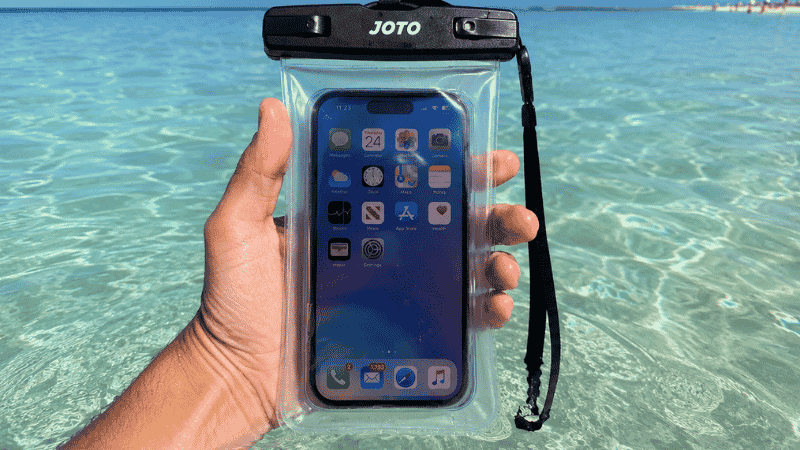
Waterproof Phone Pouch — The $12 Item That Prevents the $800 Problem
Wave splash, accidental submersion, a child’s enthusiastic water game that ends with your phone in 3 inches of Gulf water. All of these happen on Florida beaches regularly, and all of them are prevented by a properly sealing dry pouch that costs $10–$15.
What to look for: IPX8 waterproof rating (submersion to at least 1 meter for 30 minutes), touchscreen-functional through the seal, and a lanyard or wrist strap so it doesn’t get set down somewhere. Test any new pouch at home — fill it with a paper towel, seal it, submerge it in water, and check for moisture before trusting it with your actual phone.
Bring two: One in the water with you, one stays in the base camp bag.
Microfiber Beach Towel — One Per Person, Plus One Extra
Microfiber towels shake clean of sand more completely than terry cloth, dry in 30–45 minutes rather than hours, and pack down to a fraction of the size. On a full Florida beach day where you’ll be in and out of the water multiple times, the fast-dry property matters more than it seems.
One extra towel is worth bringing — it becomes the designated sandy-gear towel on the way back to the car, keeping everything else cleaner.
Water and Hydration
The combination of heat, direct sun, salt air, and physical activity at a Florida beach creates dehydration conditions faster than most people expect. A vacuum-insulated water bottle keeps ice water cold for 6–8 hours in Florida summer heat; a plastic water bottle is warm within 20 minutes.
How much water to plan for: A useful starting point is one liter per person per 2 hours of beach time, adjusted up for active water sports and for children.
A soft-sided insulated cooler bag with ice packs handles the water supply for the group — it doubles as snack storage and is significantly easier to carry through sand than a hard-sided cooler.
Sun Protection Beyond Sunscreen
Beach Shade — Umbrella, Tent, or Canopy
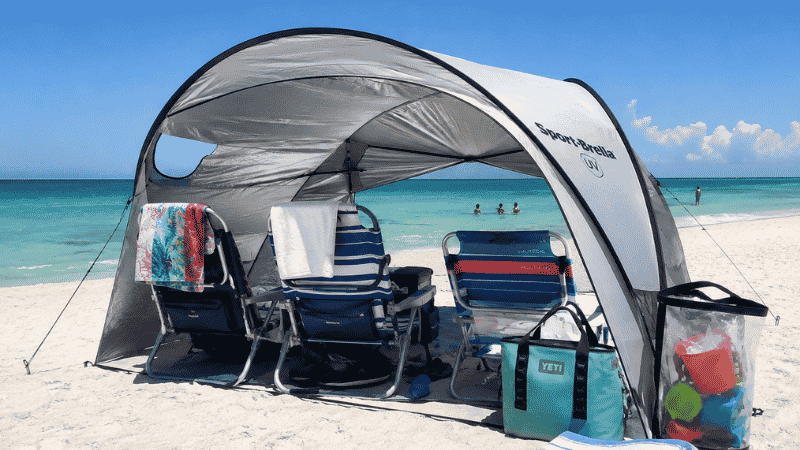
A beach umbrella provides shade from directly above. A beach tent (pop-up shade shelter) provides shade from above and from the sides. On a Florida beach in summer when the sun is moving from east to overhead to west across the day, a three-sided shelter provides more consistent protection than an umbrella.
Which to choose:
- Solo or couple, short visit (2–3 hours): Beach umbrella with spiral anchor and vented canopy is sufficient and more portable
- Family or full beach day: Pop-up beach tent with UPF 50+ silver-lined fabric and sandbag anchoring is the better experience
The anchor matters: Gulf Coast quartz sand is loose and dry, particularly in the afternoon. A spiral screw-in anchor holds significantly better than a straight push-in pole. Push the anchor deep — minimum 12 inches, ideally 18 inches in dry sand.
→ See our full guide: Best Beach Umbrella 2026 and Best Beach Tent 2026
Sun Hat and Polarized Sunglasses
A wide-brim hat (3+ inch brim) protects the face, ears, and neck — the areas that accumulate the most incidental UV exposure throughout a beach day without ever feeling like you’re “in the sun.” The Skin Cancer Foundation recommends wide-brim hats as one of the most effective supplemental UV protection items alongside sunscreen.
Polarized sunglasses reduce glare from Gulf water reflection, which carries UV load. They also allow you to see into the water more clearly — useful for spotting sandbars, depth changes, and marine life when snorkeling or wading.
UPF Rash Guards
For young children and anyone spending extended time in the water, a UPF 50+ rash guard is more reliable than sunscreen on covered areas — it doesn’t wash off, doesn’t need reapplication, and doesn’t require a struggling 4-year-old to hold still while you apply it to their back.
Long-sleeve rash guards for kids and a UPF swim shirt for adults are lightweight additions that meaningfully reduce UV exposure on water-active beach days.
The Beach Setup — Comfort for the Full Day
Beach Chair
The right beach chair depends on three things: how far you carry it, how long you stay, and whether you have back or knee issues.
Key specs that actually matter:
- Weight: Under 6 lbs for comfortable solo carry; over 7 lbs needs a beach wagon
- Carry system: Backpack straps > shoulder strap > carry handle for any real distance
- Fabric: Mesh breathes significantly better than polyester in Florida summer heat
- Seat height: Standard height (16+ inches) is easier to get up from; low sand chairs are more comfortable for lounging but harder to exit
The benchmark: The Tommy Bahama backpack beach chair is the standard mid-range option that consistently delivers on portability, reliability, and value.
→ See our full guide: Best Beach Chair 2026
Beach Wagon or Cart
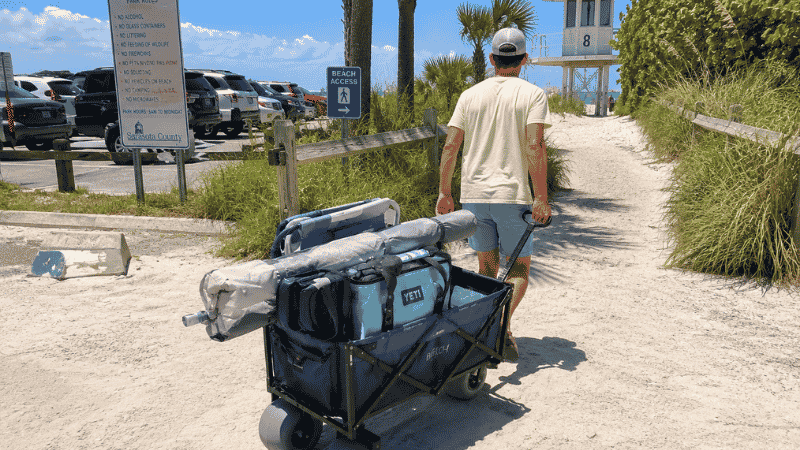
If you have a beach setup that includes a tent, chairs, cooler, and gear for multiple people, a beach wagon eliminates the multiple-trip problem. A folding wagon with large balloon tires (designed for soft sand) moves through Gulf Coast sand without bogging down the way standard wheels do.
The math: one well-loaded wagon trip replaces 3–4 hands-full trips through soft sand in 90°F heat. For families with young children or for any group carrying significant gear, a beach wagon is one of the most worthwhile investments in the beach gear category.
Food, Drinks, and the Cooler
What Works at the Beach (and What Doesn’t)
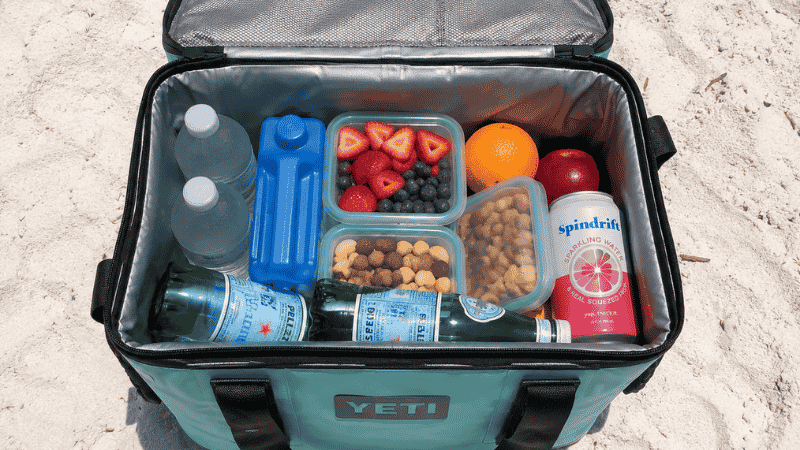
Foods that survive Florida beach conditions well: Whole fruit (oranges, grapes, apples), trail mix in sealed containers, cheese sticks, crackers in sealed packaging, sandwiches in sealed containers (consumed within 2 hours per food safety guidelines — the FDA recommends not leaving perishable food in temperatures above 90°F for more than 1 hour).
Foods that don’t work: Chocolate (melts by the time you’re set up), chips in open bags (sand and wind), anything requiring refrigeration beyond what an ice-filled cooler can maintain.
The cooler system: A soft-sided insulated bag works well for day trips. Ice packs last longer than loose ice without the water. Pre-chill drinks and food the night before — starting cold keeps things cold longer.
Snack Container Strategy
Reusable silicone bags seal better than standard zip-lock bags in sand and wind conditions. A small sealed container for each person’s snacks prevents the communal bag situation where everything gets sandy simultaneously.
Safety and First Aid
The Beach First Aid Kit
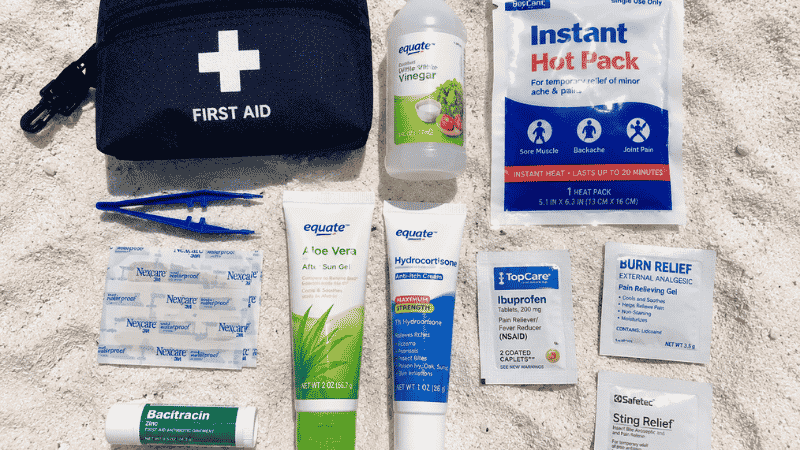
A targeted kit for Florida beach conditions — not a generic first aid kit, but specific to the hazards you’ll actually encounter:
- Tweezers: For jellyfish tentacle removal, stingray barb removal, sea urchin spines
- White vinegar (travel bottle): For jellyfish sting treatment — rinse with seawater first, then apply vinegar
- Instant heat packs (2–3): For stingray sting treatment — heat at 110°F+ for 30 minutes deactivates the venom
- Waterproof bandages: Standard bandages don’t adhere to wet sandy skin
- Aloe vera gel (refrigerate first): For sunburn treatment
- Hydrocortisone cream: For post-sting inflammation
- Oral antihistamine: For allergic response management
→ See our full guide: Jellyfish Sting Treatment & Beach Safety Guide
Beach Flag Awareness
Every staffed Florida beach flies colored warning flags. Green = low hazard. Yellow = moderate caution. Single red = high hazard, dangerous surf or currents. Double red = water closed. Purple = dangerous marine life. Check flags every time you arrive — conditions change throughout the day.
Electronics and Valuables
What to Bring and How to Protect It
The waterproof pouch system:
- Valuables pouch (phone, keys, cards) in a dry bag in the base camp setup
- Second pouch for water activities — keeps the phone accessible without risk
Portable battery pack: Phone batteries drain faster in heat and direct sun. A small battery pack keeps devices charged through a full beach day without needing to leave the beach.
Car keys: A waterproof case for car keys protects against wave splash and perspiration. Remote key fobs and water damage are an expensive combination.
What to leave in the car or hotel: Anything irreplaceable or expensive that doesn’t need to be on the beach. The beach environment — salt air, sand, sun, water — degrades electronics, jewelry, and fine items faster than almost any other environment.
The Sand Problem — How to Actually Manage It
Gulf Coast quartz sand is fine-grained and gets into everything. Managing it proactively makes the return trip and hotel situation significantly better.
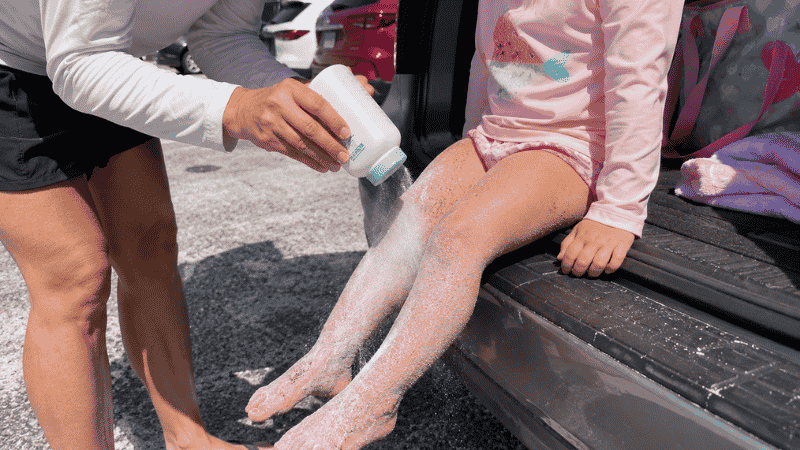
Baby powder: Apply to sandy, dry skin before getting in the car. The powder absorbs the moisture that causes sand to stick and the sand falls off cleanly. Talc-free cornstarch powder works equally well and is safer for children. One travel-size bottle handles the whole family for multiple beach days.
Separate bags for wet and sandy gear: A mesh bag or second bag designated for wet swimsuits, sandy towels, and sandy shoes keeps the rest of your gear clean. Car seats thank you for this.
Microfiber towels: Shake clean more completely than terry cloth before getting in the car.
The 10-Minute Beach Bag — When You’re Packing Fast
If you have 10 minutes to pack a beach bag, here’s the minimum viable list in priority order:
- Sunscreen (apply before you leave — don’t wait for the beach)
- Water — more than you think
- Waterproof pouch for phone and car keys
- Towel
- Hat and sunglasses
- Cash or card in waterproof pouch
- Snacks
Everything else improves the day. These seven things make the day survivable.
Complete Beach Gear Master List
Sun Protection
- Reef-safe mineral sunscreen SPF 50+ (more than you think you need)
- UPF 50+ rash guards for kids and adults
- Wide-brim sun hat (3+ inch brim)
- Polarized sunglasses
- SPF lip balm
Beach Shelter and Seating
- Beach umbrella with spiral anchor OR pop-up beach tent with sandbag anchoring
- Beach chairs (one per person, mesh fabric preferred)
- Beach blanket or waterproof mat
Bags and Organization
- Waterproof or mesh beach bag
- 2 waterproof dry pouches (phone, keys, cards)
- Mesh bag for wet/sandy gear on the way back
Hydration and Food
- Vacuum-insulated water bottles (one per person)
- Soft-sided insulated cooler bag
- Reusable silicone bags for snacks
- Ice packs (pre-frozen)
Sand Management
- Talc-free baby powder
- Microfiber towels (one per person + one extra)
First Aid
- Tweezers
- White vinegar travel bottle
- Instant heat packs (2–3)
- Waterproof bandages
- Aloe vera gel
- Hydrocortisone cream
- Oral antihistamine (Benadryl)
- Pain reliever (ibuprofen)
Electronics and Protection
- Waterproof phone pouches (2)
- Portable battery pack
- Waterproof car key case
Optional But Worth It
- Beach wagon (for groups or heavy loads)
- Insect repellent with Picaridin (Gulf Coast evenings, no-see-ums are real)
- Baby powder (sand removal)
- Portable Bluetooth speaker (waterproof)
- Snorkeling mask and fins (for Point of Rocks at Siesta Key or St. Andrews State Park jetties)
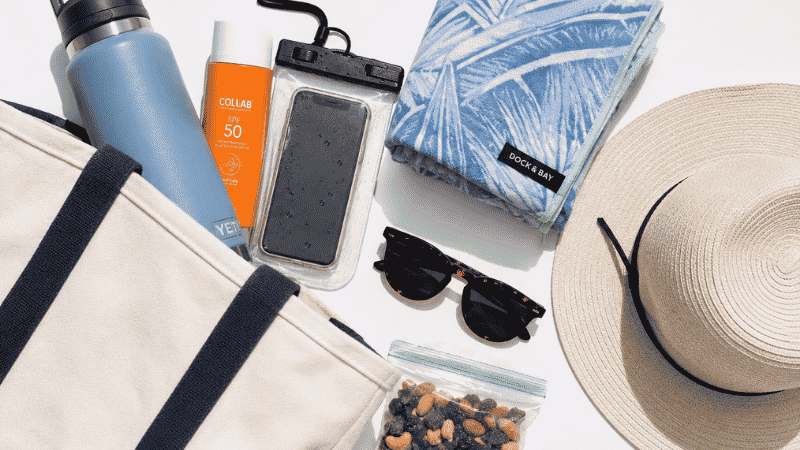
Frequently Asked Questions
What should I not forget to bring to the beach? The most consequential forgotten items are: a waterproof pouch for your phone and car keys (water damage is expensive), enough sunscreen (most people bring too little for a full family day), and something for shade — a hat at minimum, a beach umbrella or tent for full-day visits. Baby powder for sand removal is the most useful item nobody brings until someone tells them about it.
What do I really need at the beach for a full day? Sunscreen (applied before you leave), water (more than you think), a waterproof pouch for valuables, shade (umbrella or tent), chairs, a cooler with food and drinks, microfiber towels, and a first aid kit with jellyfish sting supplies. Everything beyond this improves comfort; these basics make the day functional.
How much sunscreen do I need for a beach day? One ounce — a full shot glass — per adult per application, per American Academy of Dermatology guidelines. For a family of four doing a full day with reapplication every 2 hours, budget 3–4 applications per person, or roughly 12–16 ounces total. Most people bring a single 3-ounce bottle for the whole family and wonder why they burn.
What should I bring to the beach with kids? Everything on the standard list, plus: rash guards for sun protection (more reliable than sunscreen on moving children), water shoes (for rocky or shell-heavy entries), a beach tent for reliable shade, more snacks than you think, baby powder for sand removal, and white vinegar and tweezers for jellyfish sting treatment. A beach wagon makes transporting all of it significantly more manageable.
What is the best beach bag for Florida beaches? Rubber or EVA-construction bags (like Bogg Bags) handle Florida beach conditions best — waterproof, sand-resistant, rinse clean. Mesh bags work well if waterproofing for contents isn’t needed. Avoid canvas and standard fabric bags for full beach days — they hold sand in the weave and become heavy when wet.
What should I bring to the beach for a day trip vs. overnight? Day trip: compact version of the full list — one towel, one swimsuit, sunscreen, water, phone pouch, snacks, hat. Overnight or multi-day: pack extra swimsuits (one per day minimum, ideally two so one is always dry), more sunscreen, a beach outfit that transitions from sand to dinner, and toiletries with after-sun lotion.
The Bottom Line
A good beach day and a frustrating one are separated by surprisingly few items — and most of them are inexpensive. The waterproof phone pouch. The spiral anchor on the umbrella. The sunscreen applied before you leave rather than in the parking lot. The baby powder for sand removal that turns a sandy miserable drive home into a normal drive home.
Bring the right gear, set it up correctly, and the beach takes care of the rest.
Planning where to go? Read our destination guides:
- Best Beaches in Florida: The Realist’s Guide to Choosing the Right Shore
- Things to Do in Siesta Key: The Real Guide Beyond the Beach
- Things to Do in Destin Florida: The Real Emerald Coast Guide
- Things to Do in Panama City Beach: The Real Guide
Choosing your gear? Read our equipment guides:
- Best Beach Umbrella 2026: What to Buy and What Actually Works
- Best Beach Tent 2026: Four Types Explained and What to Actually Buy
- Best Beach Chair 2026: What to Actually Buy After Too Many Bad Ones
References
- American Academy of Dermatology — Sunscreen Application Guidelines: aad.org
- Skin Cancer Foundation — Sun Protection and Hats: skincancer.org
- FDA Food Safety Guidelines — Perishable Foods in Heat: fda.gov
- CDC — Heat-Related Illness Prevention and Hydration: cdc.gov
- American College of Emergency Physicians — Jellyfish Sting Treatment Guidelines