
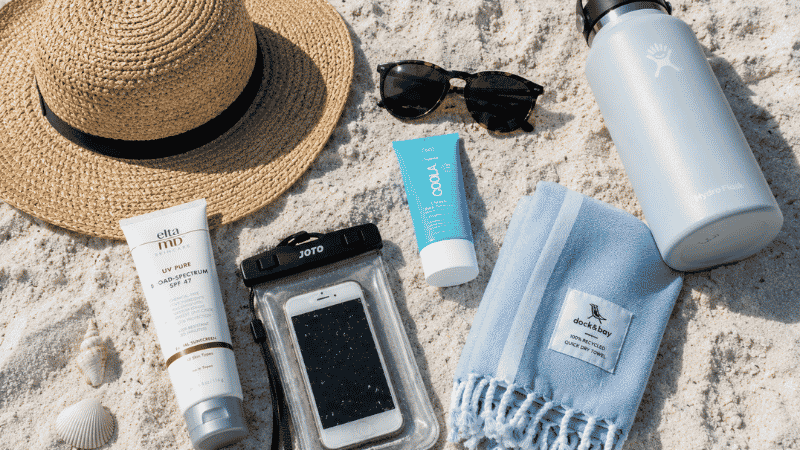
You’ve booked the flights. You’ve found the rental. You’ve mentally built the perfect beach day seventeen times while sitting at your desk. And now you’re standing in front of an open suitcase the night before departure, wondering how something as simple as “going to the beach” somehow requires this much decision-making.
Here’s the truth about beach vacation packing that most lists won’t tell you: the goal isn’t to bring everything. It’s to bring the right things — the items that will actually get used, that will protect you from the specific ways a beach day can go sideways, and that will make the difference between a day that feels effortless and one where you’re back at the hotel by noon with a sunburn and a dead phone.
This isn’t a list of every item that could theoretically go in a beach bag. It’s the beach vacation packing list built specifically for Florida Gulf Coast conditions — where the sun is genuinely aggressive, the afternoon storms are predictable, the sand gets into everything, and the difference between a great day and a miserable one is often three or four specific decisions made before you left the hotel.
Read this once before you pack. It will save you a drugstore run on your first morning.
Key Takeaways
- The #1 most forgotten item on beach trips is not sunscreen — it’s a waterproof pouch for your car keys and phone. Losing these to water damage costs more than the entire trip’s gear budget
- Reef-safe mineral sunscreen (SPF 50+) should be applied 30 minutes before hitting the beach, not after you arrive — most sunburn happens in the first 20 minutes of exposure
- A pop-up beach shade shelter is more effective than an umbrella for families — it provides lateral UV protection that umbrellas miss, and stays put in wind better than a single-pole design
- Florida beach afternoon thunderstorms hit between 3–5 PM almost daily in summer — a quick-exit mesh bag means you can clear the beach in under 2 minutes without leaving gear behind
- Baby powder removes wet sand from skin more effectively than toweling off — one travel-size bottle is worth packing and re-packing on every beach trip
Sun Protection — The Category That Actually Matters Most
Every beach packing list mentions sunscreen. Most of them stop there. Here’s why that’s not enough.
Sunscreen — What Type, How Much, When to Apply
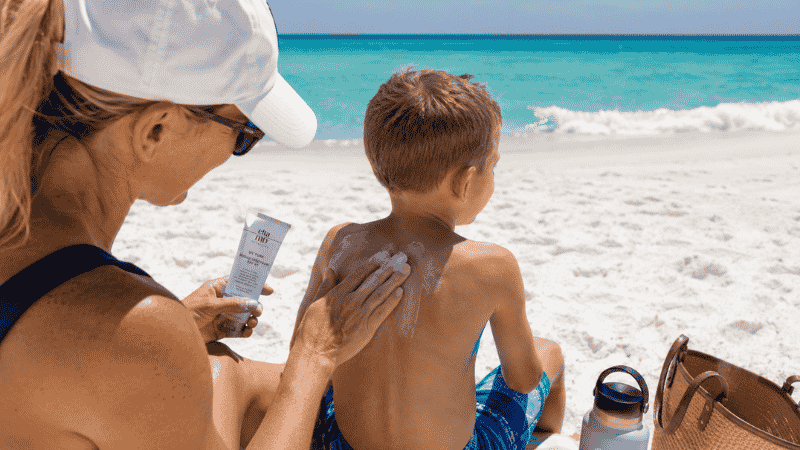
The Florida sun operates at UV index levels of 10–11 in summer (Very High to Extreme on the EPA scale). Standard chemical sunscreens that work fine in a Northern California summer will sweat off before you’ve finished setting up your chair. Florida beach days require a different approach.
Mineral sunscreen (zinc oxide or titanium dioxide) is the right call for Gulf Coast beaches, for two reasons: it sits on top of the skin rather than absorbing into it, which means it stays more effective through sweat and water exposure; and it’s reef-safe, which matters if you’re visiting the Florida Keys or anywhere near coral reef ecosystems.
Look for SPF 50+ and water resistance rated at 80 minutes minimum. The amount matters too — most people apply about a quarter of what’s needed. The American Academy of Dermatology recommends one ounce (roughly a shot glass full) to cover an adult body. For a family of four spending a full day at the beach, bring more sunscreen than you think is reasonable.
Timing: Apply 30 minutes before you go outside. The most common sunburn scenario on a beach vacation is applying sunscreen in the parking lot after a 20-minute walk from the hotel — by then, the damage has started.
Reapplication: Every 2 hours, and immediately after getting out of the water regardless of timing. “Water resistant” means the formula maintains SPF protection for 80 minutes in water, not that it’s waterproof.
Rash Guards — Better Than Sunscreen for Long Water Days
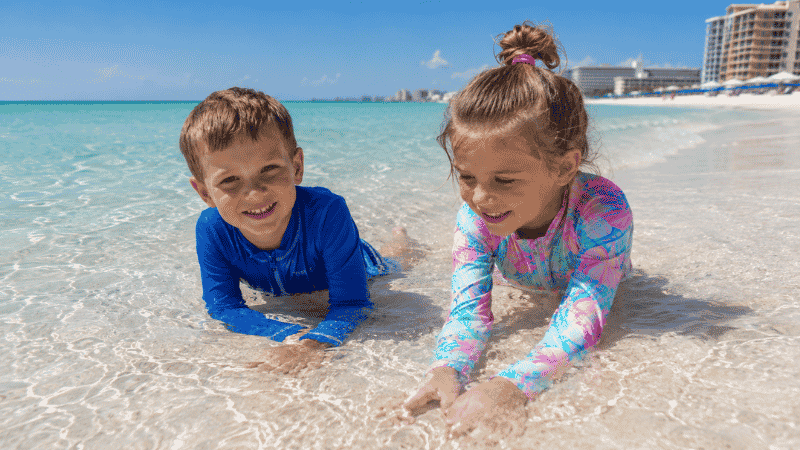
For anyone spending extended time in the water — especially kids — a UPF 50+ rash guard is more reliable sun protection than sunscreen for covered areas. It doesn’t wash off, doesn’t require reapplication, and doesn’t involve wrestling a 4-year-old into staying still while you apply lotion to their back.
Long-sleeve rash guards for kids and a UPF swim shirt for adults are worthwhile additions to any beach vacation packing list, particularly for full beach days.
Sun Hat and Polarized Sunglasses
A wide-brim hat (3 inches or more) protects the face, neck, and shoulders — the areas that get the most incidental sun exposure when you’re not actively thinking about it. Bring one that can get wet and won’t be ruined by sand.
Polarized sunglasses matter on the Gulf Coast because the emerald water reflects UV light. Standard lenses reduce light; polarized lenses cut the glare that comes off the water surface. They also make it easier to see into the water — useful for spotting sandbars, shells, or darker patches that indicate depth changes.
Beach Shelter — The Gear Decision That Changes Everything
Most people bring a beach umbrella. Most beach umbrellas are fighting two problems they weren’t designed for: Gulf Coast afternoon wind and the lateral angle of morning and late-afternoon sun.
Pop-Up Beach Shade Shelter vs Umbrella — Which Is Actually Better
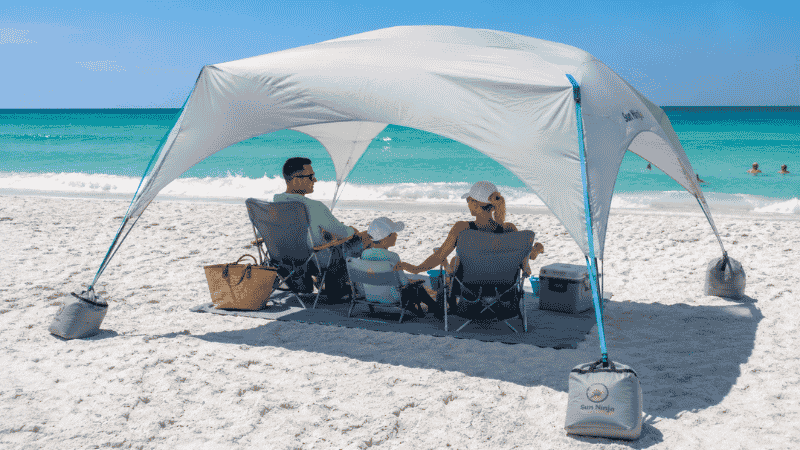
A single-pole beach umbrella blocks sun from above. A pop-up shade shelter blocks sun from above and from the sides. In the morning and late afternoon when the sun is lower on the horizon, a standard umbrella casts almost no useful shade on the people sitting under it. A shelter does.
The second issue is wind. Gulf Coast beaches frequently have afternoon sea breezes that turn a poorly anchored umbrella into a projectile. A pop-up shelter with sand anchor bags at each corner stays put in conditions that send regular umbrellas flying across the beach — and beach umbrellas becoming airborne is a documented injury risk, not just an inconvenience.
What to look for in a beach shelter: UPF 50+ rated fabric (not all canopy fabric is created equal), sand anchor bags or stakes, a setup time under 2 minutes, and a packed size that fits in a carry bag. The family-size shelters that fit 4–6 people comfortably typically weigh 6–8 lbs — manageable with a beach cart.
Beach Umbrella — When It Still Makes Sense
A beach umbrella is fine for a solo traveler or couple doing a short afternoon beach visit. It’s lighter, easier to carry, and takes up less space on the sand. The portability trade-off makes sense when you’re not setting up a full base camp for a 7-hour family beach day.
If you bring an umbrella, bring a proper sand anchor — not just the spike. A sand anchor augments into the sand and holds the pole significantly more securely than the stake-and-hope method.
Beach Bag and Organization
What Kind of Beach Bag to Actually Use
The best beach bag for Florida conditions is one that can get wet, shake clean of sand, and be rinsed off without damage. This rules out canvas totes and most fabric bags. The options that work:
Mesh bags: Air out wet items, shake sand through the holes, survive being rinsed. The trade-off is no privacy or waterproofing for contents.
Rubber/EVA bags (like Bogg Bags): Waterproof, sand-resistant, rinse clean, hold their shape. Heavier than mesh but genuinely durable in beach conditions. More expensive but last for years.
Waterproof dry bags: For anyone kayaking, paddleboarding, or doing anything where the bag itself might get submerged.
The one thing to avoid: Anything described as “beach inspired” or “nautical themed” without actual waterproofing. Cute canvas bags with anchor prints will be wet, sandy, and smelling like a swamp by Day 2.
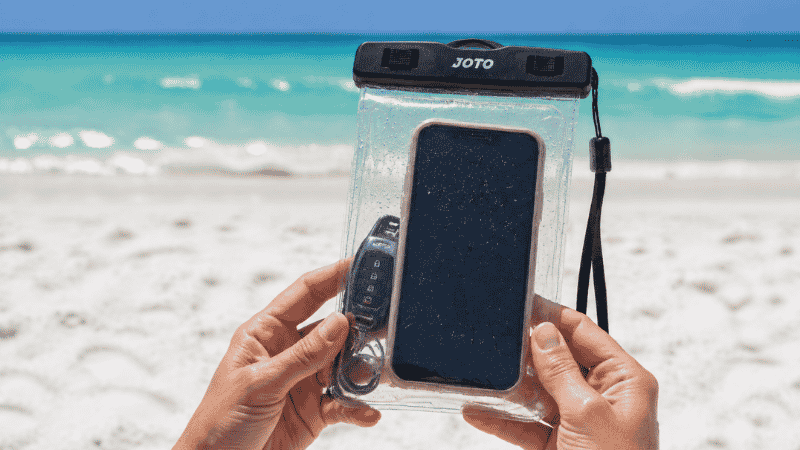
The Waterproof Pouch — Non-Negotiable
This deserves its own section because it’s the single most consistently forgotten item on beach packing lists and the one that causes the most expensive problems.
Your car keys, phone, and wallet should go in a waterproof pouch before you go near the water. Every time. A phone destroyed by wave splash or a set of car keys dropped in 3 feet of Gulf water costs more to replace than an entire trip’s worth of quality beach gear.
A basic dry pouch that seals properly runs $10–$20. Bring two — one for the water activities, one stays in the base camp bag.
Hydration and Food
Water — More Than You Think
The combination of heat, humidity, and physical activity at a Florida beach creates dehydration conditions faster than most visitors expect. The CDC recommends increasing fluid intake significantly during hot weather activity — for beach days, plan on at least 1 liter of water per person per 2 hours of beach time as a starting estimate, and more for children and anyone doing active water sports.
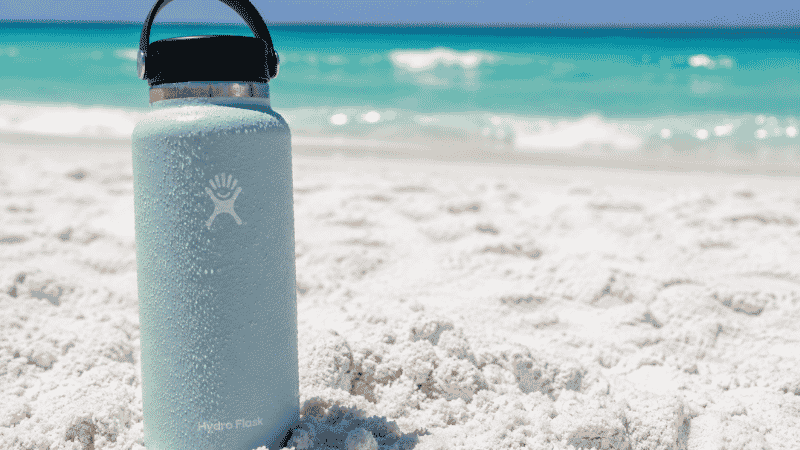
Plastic water bottles become warm within 20 minutes in Florida summer conditions. A vacuum-insulated stainless steel bottle keeps ice for 6–12 hours depending on conditions. Fill it the night before with ice and water, and it will still be cold when the 2 PM heat peaks.
A soft-sided insulated cooler bag is worth bringing for a full beach day — pack water, drinks, fruit, and snacks rather than paying beach concession prices or walking back to the car repeatedly.
Snacks That Survive Beach Conditions
Not all food handles beach conditions equally. Things that work: whole fruit (oranges, apples, grapes), trail mix, crackers in a sealed container, granola bars, cheese sticks. Things that don’t: anything with chocolate (melts), sandwiches in open packaging (sand contamination), chips in a bag that opens fully (wind + sand = inedible).
Reusable silicone bags seal better than plastic zip bags for beach snacks and pack flat when empty.
The Quick-Exit Bag — For When the Lightning Alarm Sounds
Florida beaches have lightning alarm systems, and when they go off, you need to clear the beach quickly. This is not a drill scenario — lightning strikes on open beaches are a genuine risk during afternoon storm season, and the window between a clear sky and a lightning storm can be 20 minutes or less.
Your beach bag should allow you to grab everything and leave in under 2 minutes. This means:
- Valuables (phone, keys, wallet in waterproof pouch) go in one accessible spot at the top of the bag
- Towels get stuffed in, not folded
- Sand toys get left if necessary — they’re replaceable
- Shoes get carried if they’re not on your feet
A mesh bag or rubber bag with a large opening makes this practical. A packed canvas bag with buckles and zippers does not.
The Sand Problem — How to Actually Deal With It
Sand on a Florida Gulf Coast beach is fine-grained quartz. It gets into everything, sticks to wet skin, and ends up in your car, your rental, and your luggage regardless of what you do. Here’s what actually reduces the problem:
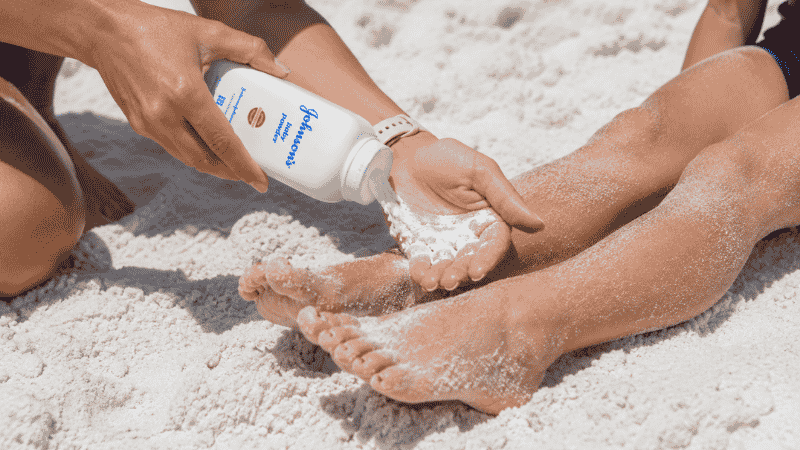
Baby powder: Apply to sandy, dry skin before getting in the car. The powder absorbs the moisture that causes sand to stick and the sand falls off. Talc-free options (like cornstarch-based powder) work equally well and are safer for kids. One travel-size bottle lasts multiple beach trips.
Microfiber towels: Shake clean in one motion. Standard terry cloth towels hold sand in the fibers and transport it everywhere. Microfiber dries faster, packs smaller, and releases sand more completely.
A separate “dirty bag”: A small mesh bag or plastic bag for sandy towels, wet swimsuits, and sandy shoes keeps the rest of your gear clean in the beach bag and in your car.
Beach First Aid — What You Actually Need
Most beach first aid kits are either overpacked with things you’ll never use or missing the things specific to ocean and beach conditions. Here’s the focused list for Gulf Coast beach trips:
White vinegar (travel bottle): The correct treatment for jellyfish stings — rinse the affected area with seawater first (not fresh water, which activates more stingers), then apply vinegar to neutralize remaining nematocysts. The American College of Emergency Physicians supports vinegar as first-line treatment for most jellyfish species encountered on Gulf Coast beaches.
Instant heat packs: For stingray injuries. A stingray barb introduces protein-based venom that is deactivated by heat — soaking the affected area in water as hot as can be tolerated (110–113°F) for 30–90 minutes is the recommended treatment. This requires actual hot water or a heat pack, not ice.
Waterproof bandages: Regular adhesive bandages don’t stick to wet, sandy skin. Get the waterproof variety specifically.
Aloe vera gel (refrigerate first): For sunburn treatment. The cooling effect is genuinely soothing; look for products with at least 98% aloe content rather than green-tinted lotion with minimal active ingredient.
Tweezers: For sea urchin spines and splinters from boardwalks and docks.
The Complete Beach Vacation Packing List
Sun Protection
- Mineral sunscreen SPF 50+ (bring more than you think you need)
- UPF 50+ rash guards for kids and adults
- Wide-brim sun hat (3+ inch brim)
- Polarized sunglasses
- SPF lip balm
Beach Shelter and Seating
- Pop-up beach shade shelter with sand anchors (families) or beach umbrella with anchor (solo/couple)
- Beach chairs — low-slung sand chairs for sitting at beach level, or chairs with higher legs for easier getting up
- Waterproof blanket or sand-free beach mat
Bags and Organization
- Waterproof beach bag (mesh, rubber/EVA, or dry bag depending on activity level)
- 2 waterproof pouches for phone, keys, wallet
- Small mesh bag for wet items and sandy towels
Hydration and Food
- Vacuum-insulated water bottle per person
- Soft-sided insulated cooler bag
- Reusable silicone bags for snacks
- Water (1+ liter per person per 2 hours of beach time)
Sand Management
- Talc-free baby powder
- Microfiber towels (one per person)
- Separate bag for sandy/wet gear
First Aid
- White vinegar (travel bottle) for jellyfish stings
- Instant heat packs for stingray injuries
- Waterproof bandages
- Aloe vera gel
- Tweezers
- Pain reliever
Electronics and Safety
- Waterproof phone pouch
- Portable battery pack (phones drain faster in heat and direct sunlight)
- Car key waterproof case
Extras Worth Bringing
- Baby powder
- Insect repellent with Picaridin (for Gulf Coast evenings — no-see-ums are real)
- Small dry bag for snorkeling gear
- Reusable bags for shell collecting
If You Only Have 10 Minutes to Pack Your Beach Bag
If you’re grabbing your bag quickly for a beach day without time to plan, these are the non-negotiables in order of priority:
- Sunscreen (applied before you leave, not when you arrive)
- Water — more than you think
- Waterproof pouch for phone and car keys
- Towel
- Cash or card in waterproof pouch
- Hat and sunglasses
Everything else improves the day. These six make the day survivable.
Frequently Asked Questions
What should I not forget to bring to the beach? The most commonly forgotten items that cause real problems are: a waterproof pouch for car keys and phone (water damage), enough sunscreen (most people bring one bottle for a family of four — bring three), and a waterproof pouch for valuables. Baby powder for sand removal is the most underrated item that almost nobody brings the first time.
How much sunscreen do I need for a beach vacation? The American Academy of Dermatology recommends one ounce (a full shot glass) per adult per application. For a family of four doing a full beach day with reapplication every two hours, you’ll go through multiple bottles. Buy more than you think is reasonable.
What is the best beach bag for Florida beaches? Rubber or EVA construction (like Bogg Bags) handles Florida beach conditions best — waterproof, rinses clean, sand doesn’t stick to the material. Mesh bags work if you don’t need waterproofing for contents. Avoid canvas and fabric bags for full beach days.
Should I bring a beach umbrella or a beach tent? A pop-up beach shade shelter is better for families and full-day beach visits — it provides lateral UV protection that umbrellas miss and stays put in wind better. A beach umbrella is fine for short visits or solo travelers. If you bring an umbrella, use a proper sand anchor.
What should I bring to the beach for kids? Beyond the standard list: rash guards (more reliable than sunscreen for extended water time), water shoes for rocky or shell-heavy beach entries, float devices if they’re not strong swimmers, and extra snacks — kids burn through energy faster in heat. White vinegar for jellyfish stings is worth having with kids along.
What food should I bring to the beach? Whole fruit, trail mix, crackers, cheese sticks, and granola bars all survive beach conditions well. Avoid chocolate (melts), open chip bags (sand and wind), and anything that requires refrigeration unless you have a proper insulated cooler. Reusable silicone bags seal better than plastic zip bags for keeping sand out.
How do I get sand off at the beach? Apply talc-free baby powder to sandy, dry skin before getting in the car — it absorbs the moisture that causes sand to stick and the sand falls off. Microfiber towels shake cleaner than terry cloth. A separate bag for sandy/wet gear keeps the rest of your belongings sand-free.
The Bottom Line
A good beach vacation packing list isn’t long — it’s accurate. The items that make or break a beach day are rarely the ones people think about in advance: the waterproof pouch that saves your phone, the baby powder that means you don’t bring half the beach home, the heat pack that treats a stingray encounter, the pop-up shelter that keeps the kids comfortable through the hottest part of the afternoon.
Pack these right, and the beach takes care of the rest.
Ready to plan your Florida beach trip? Read next:
- Best Beaches in Florida: The Realist’s Guide to Choosing the Right Shore
- Best Time to Visit Destin Florida: The Honest Month-by-Month Guide
- Clearwater Beach Parking Guide: Tips, Costs & Free Options
- Things to Do in Siesta Key: The Real Guide Beyond the Beach
- Things to Do in Destin Florida: The Real Emerald Coast Guide
References
- American Academy of Dermatology — Sunscreen FAQs and Application Guidelines: aad.org
- American College of Emergency Physicians — Jellyfish Sting Treatment Guidelines
- CDC — Heat and Hydration: Staying Safe in Hot Weather: cdc.gov
- US Environmental Protection Agency — UV Index Scale and Definitions: epa.gov/sunsafety
- Florida Department of Health — Beach and Ocean Safety Guidelines